Fractal Resonance
YEAR
2024
CONTEXT
KEYWORDS
Interactive Sonification
Generative Systems
Speculative Communication
ROLE
INTERACTION & SYSTEM DESIGN
Design
Blender
Systems
Arduino, Processing
Development
GENERATIVE TEXTs
Project Overview
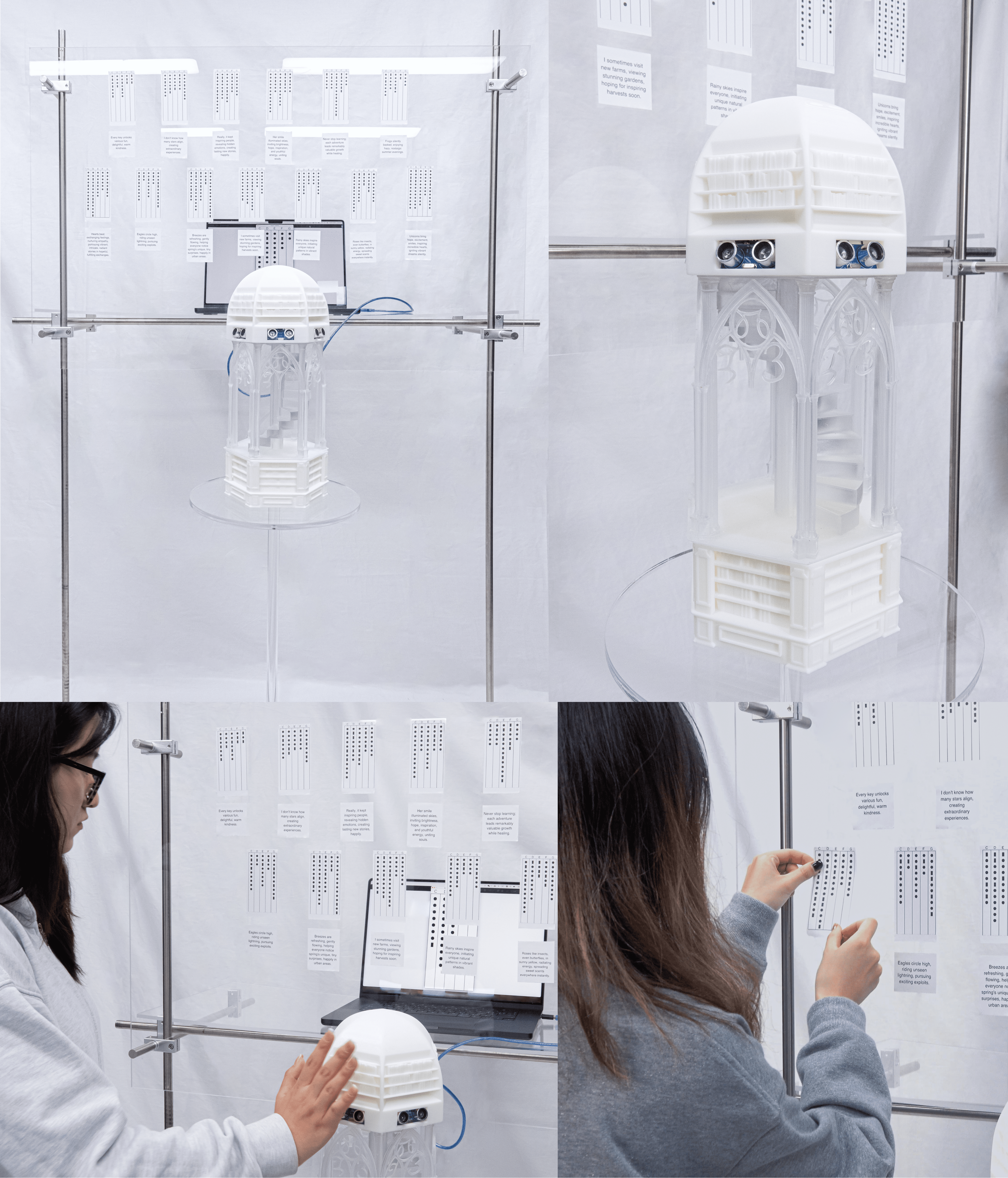
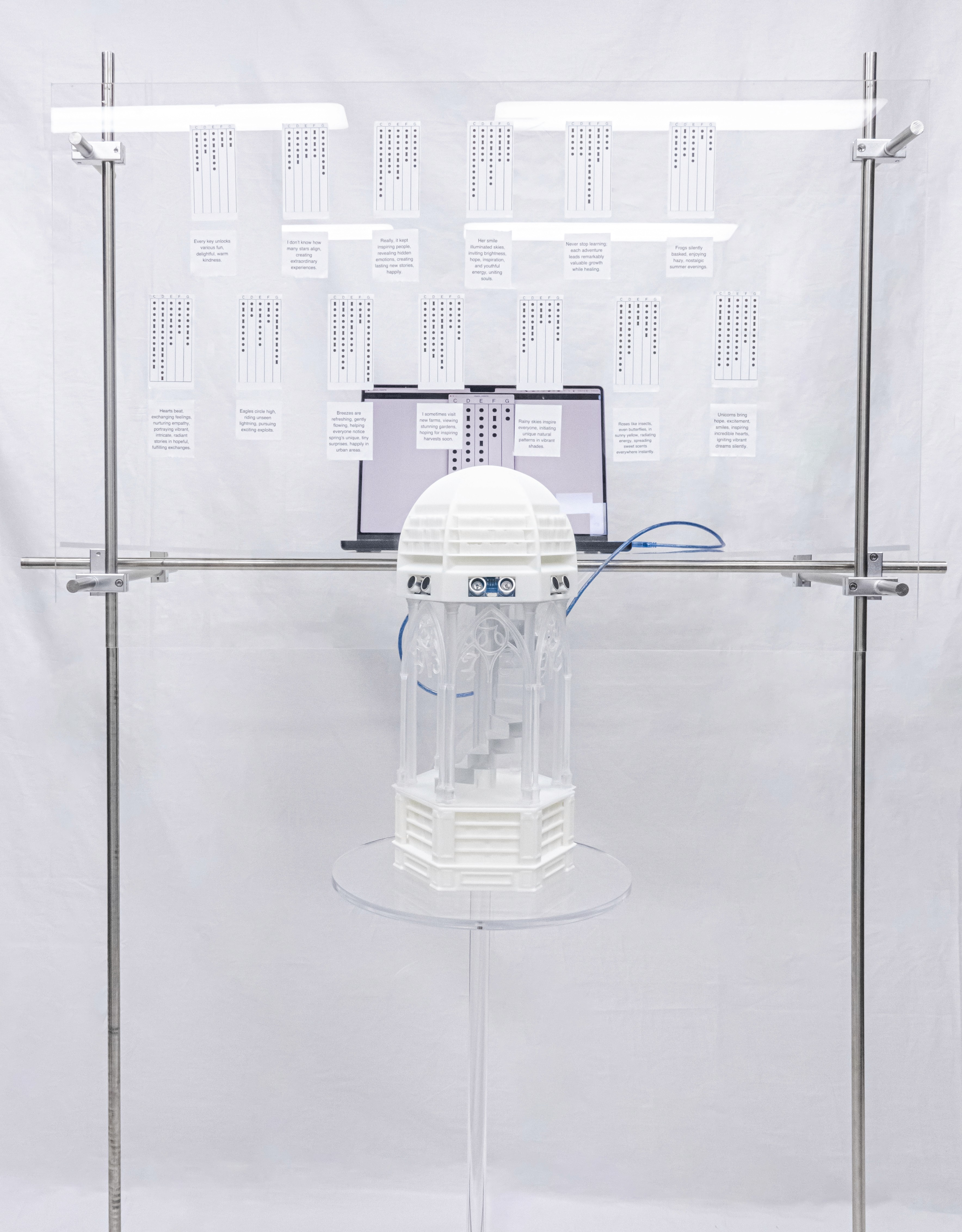
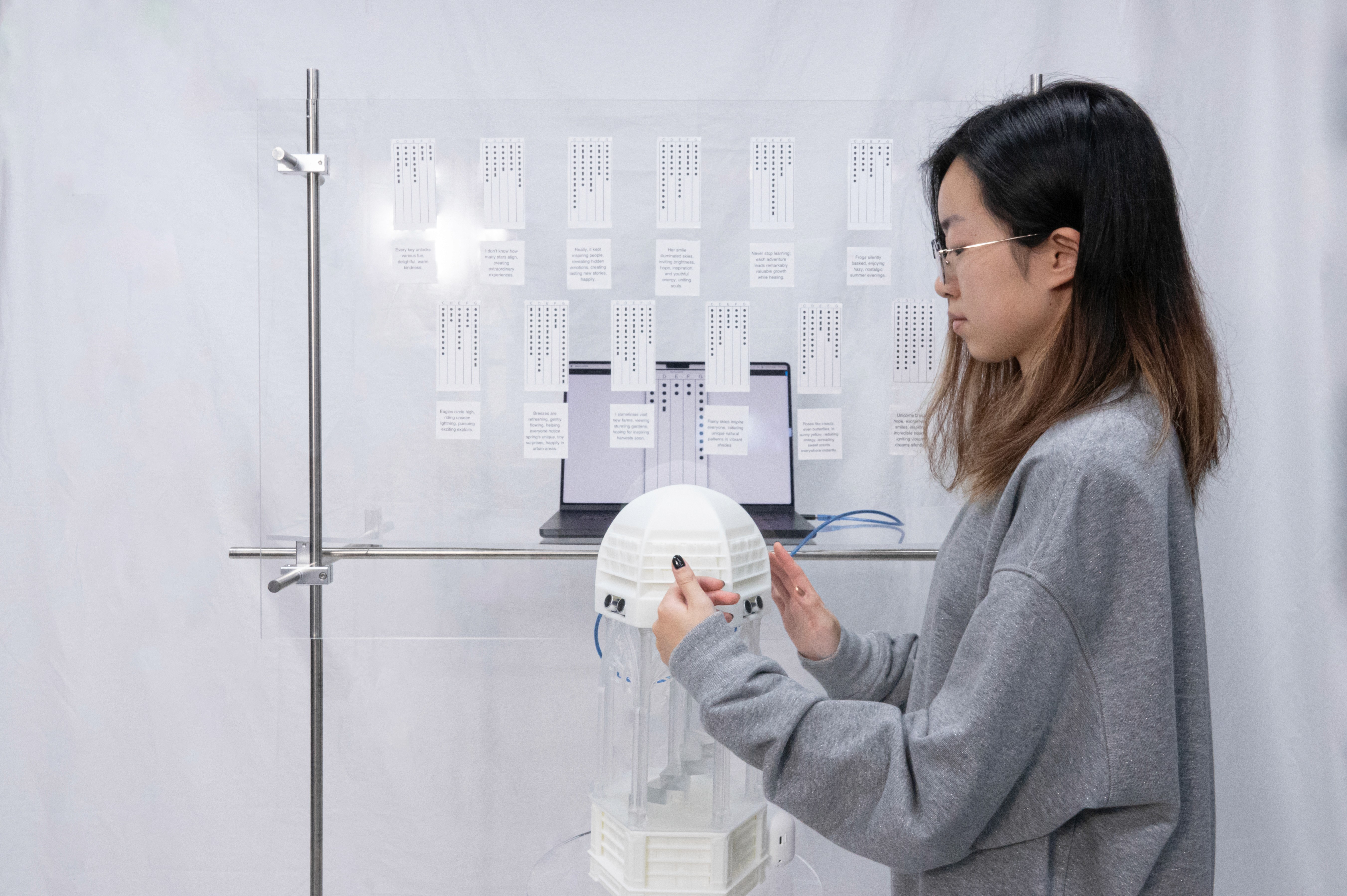
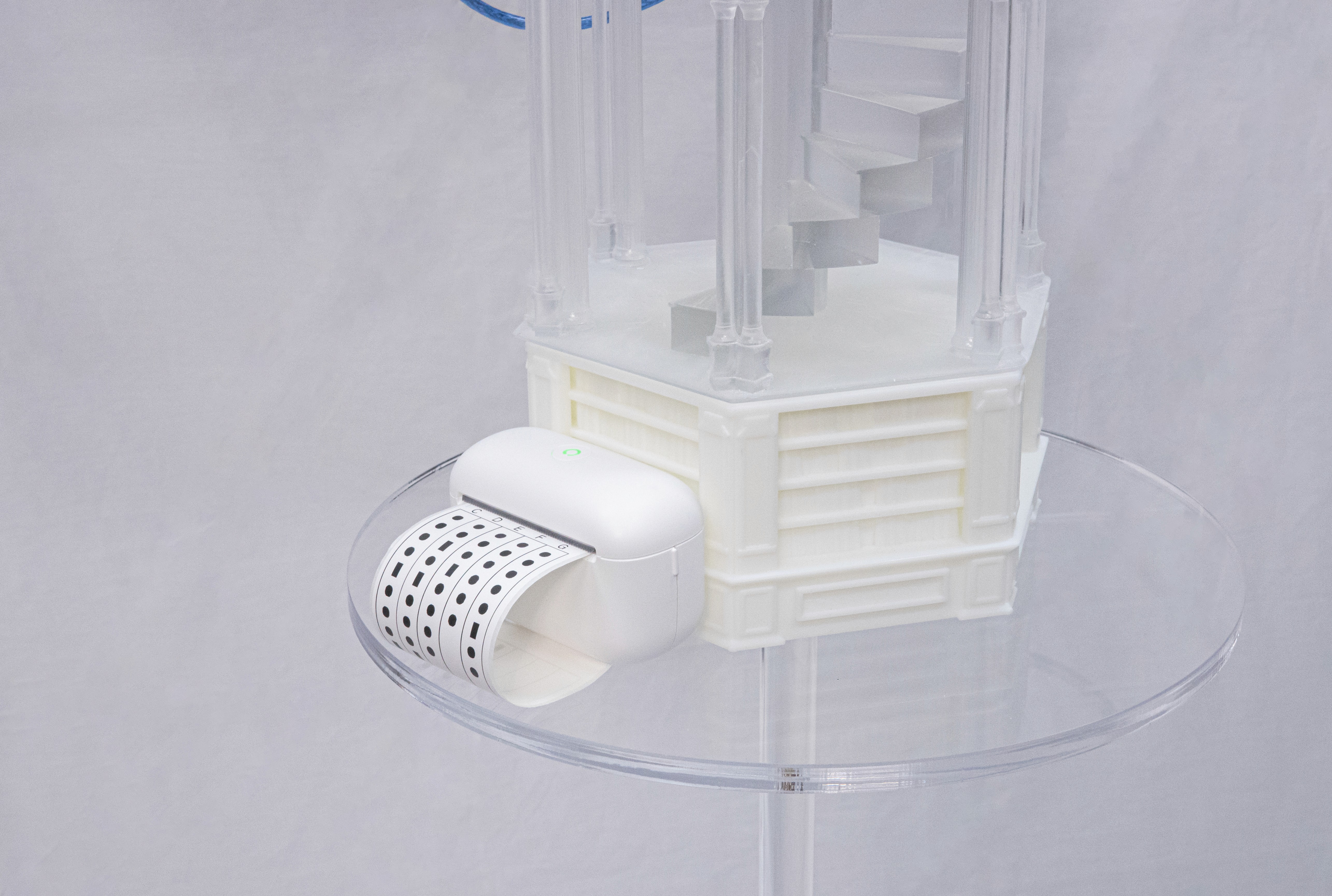
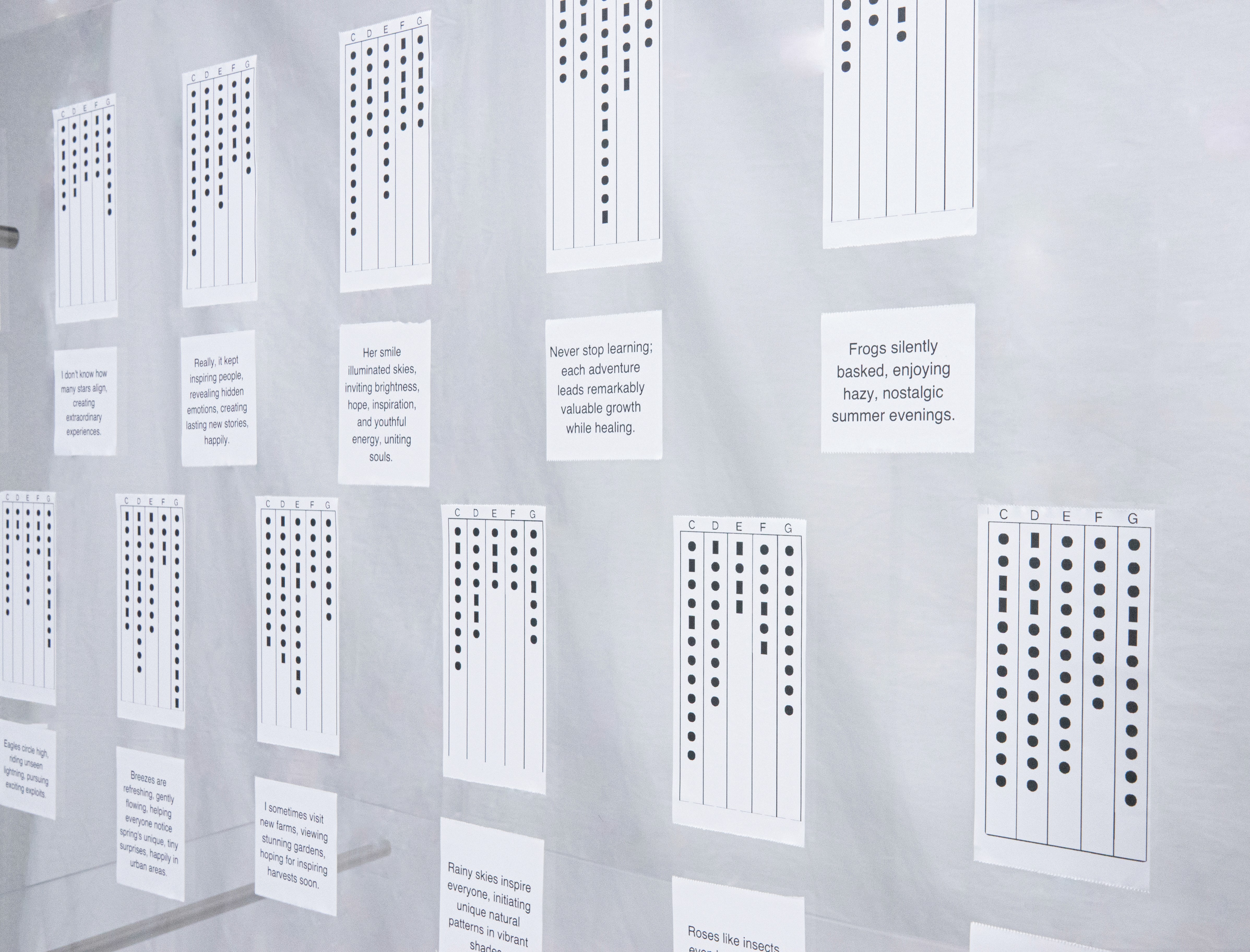
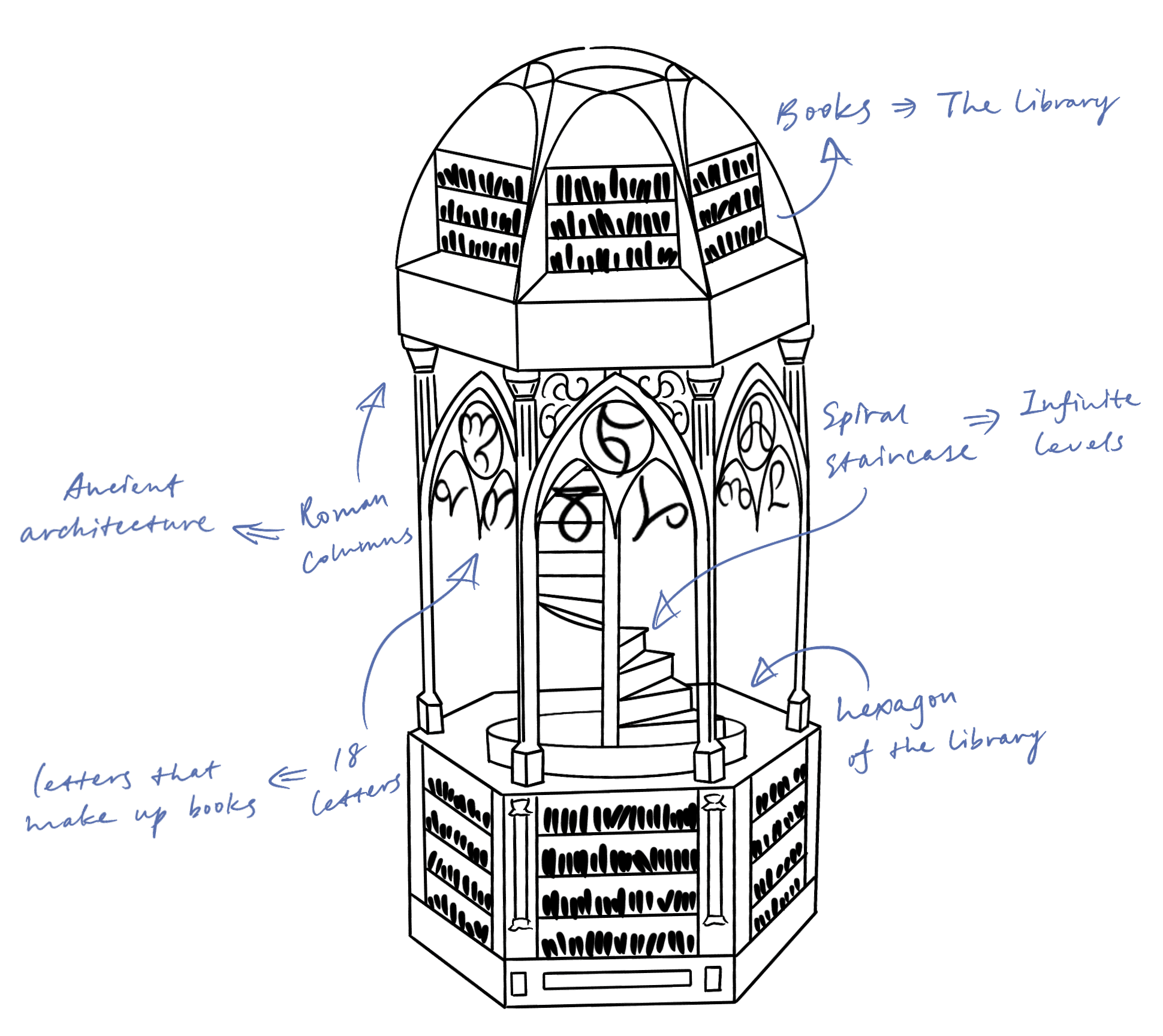
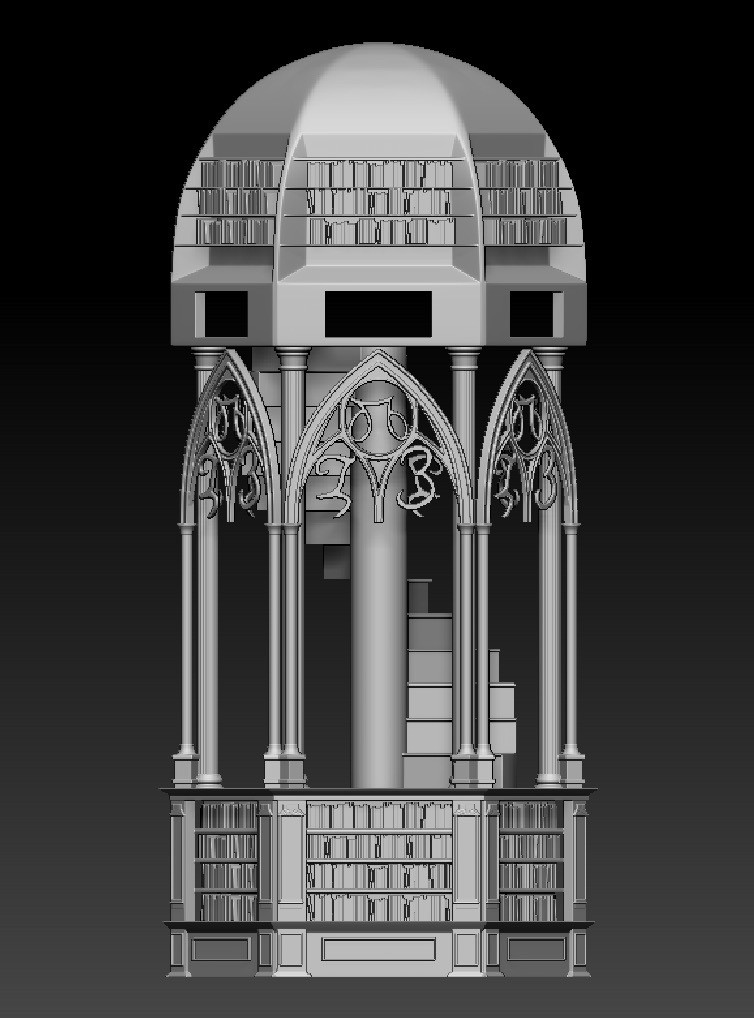
Fractal Resonance is an interactive installation, inspired in part by Jorge Luis Borges’ The Library of Babel, that explores how randomness can be translated into meaning through sound, code, and material form. Drawing on the visual similarity between music box paper strips and figure-based coding systems such as Morse code, the project transforms randomly generated melodies and scattered perforations into structured sequences that suggest language, rhythm, and order. By connecting chaotic musical fragments with systems of notation and interpretation, Fractal Resonance reframes disorder as a productive force—one that can generate pattern, resonance, and new forms of sense-making.
Concept
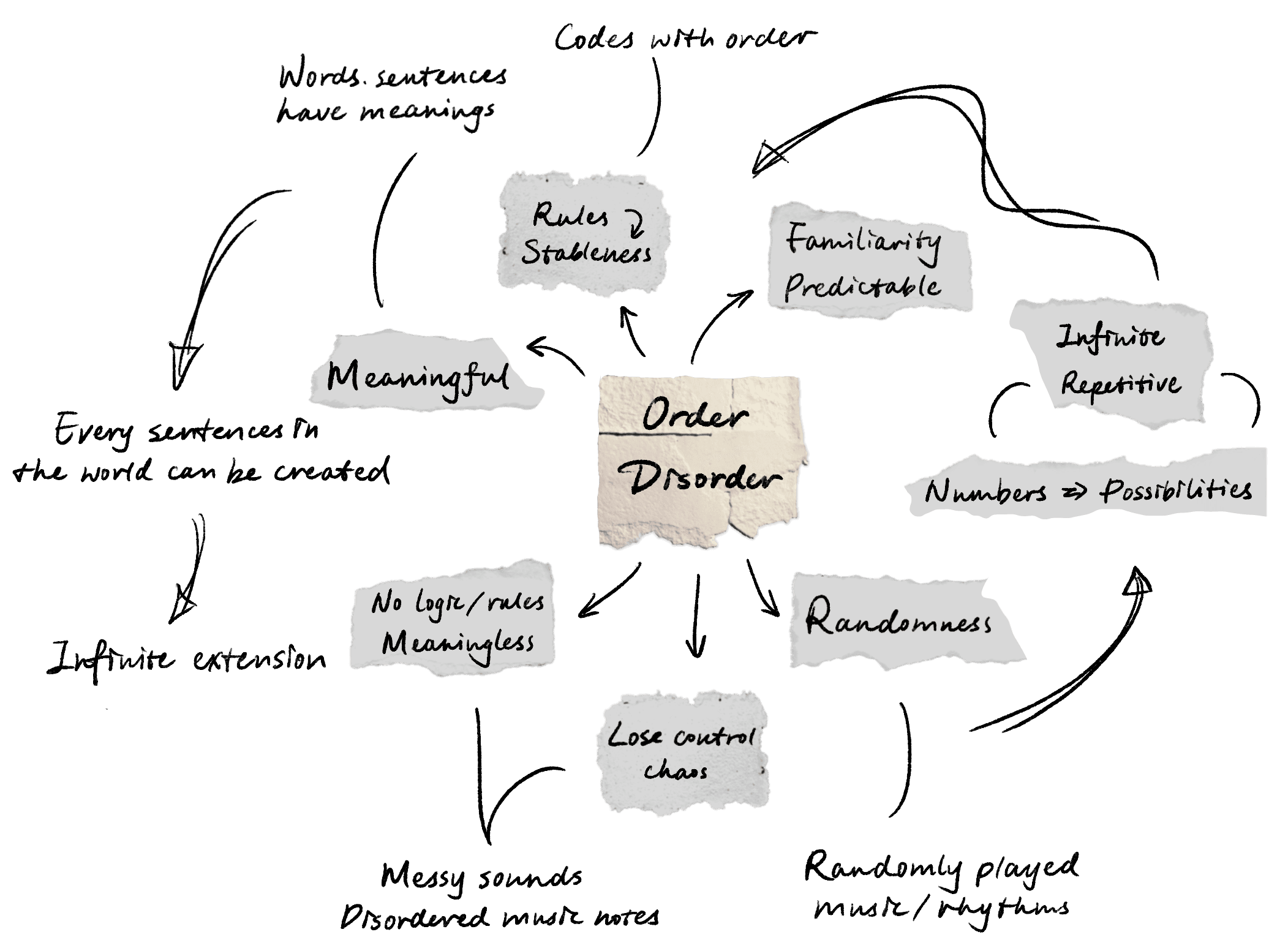
In our daily lives, we often seek order and strive to eliminate disorder, favoring rules, stability, and meaning over randomness and chaos. We associate disorder with noise, confusion, and frustration, viewing it as something to be avoided or controlled. However, in doing so, we overlook the profound beauty that can emerge from disorder. Chaos has the potential to create harmonious melodies, revealing unexpected patterns and connections that enrich our experiences.
Every organized and predictable element is composed of countless fragments of chaos, each playing its own unique role in the larger composition. By embracing the complexity of disorder, we can discover new perspectives and appreciate the intricacies of life. Recognizing that disorder can coexist with order allows us to find beauty in unpredictability and inspire creativity in ways we may never have imagined.
Research
Sketches & Prototypes
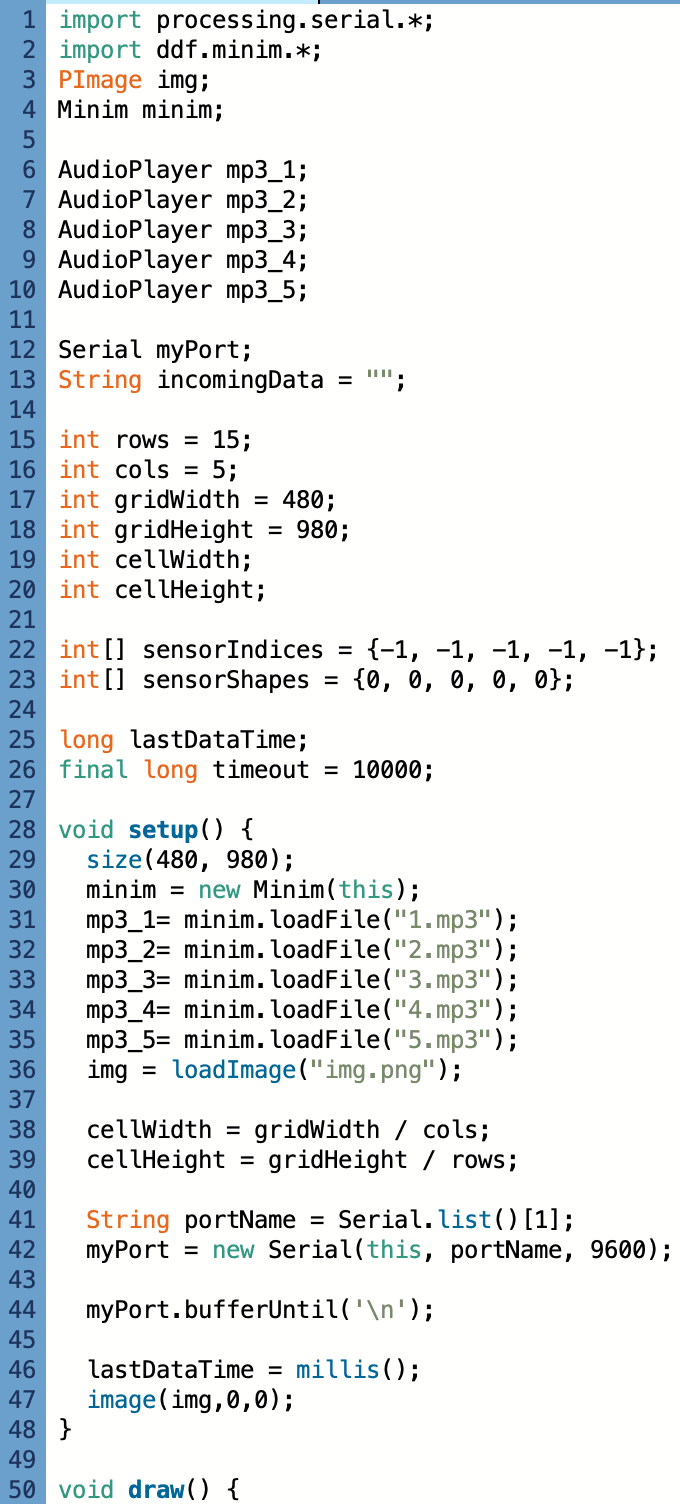
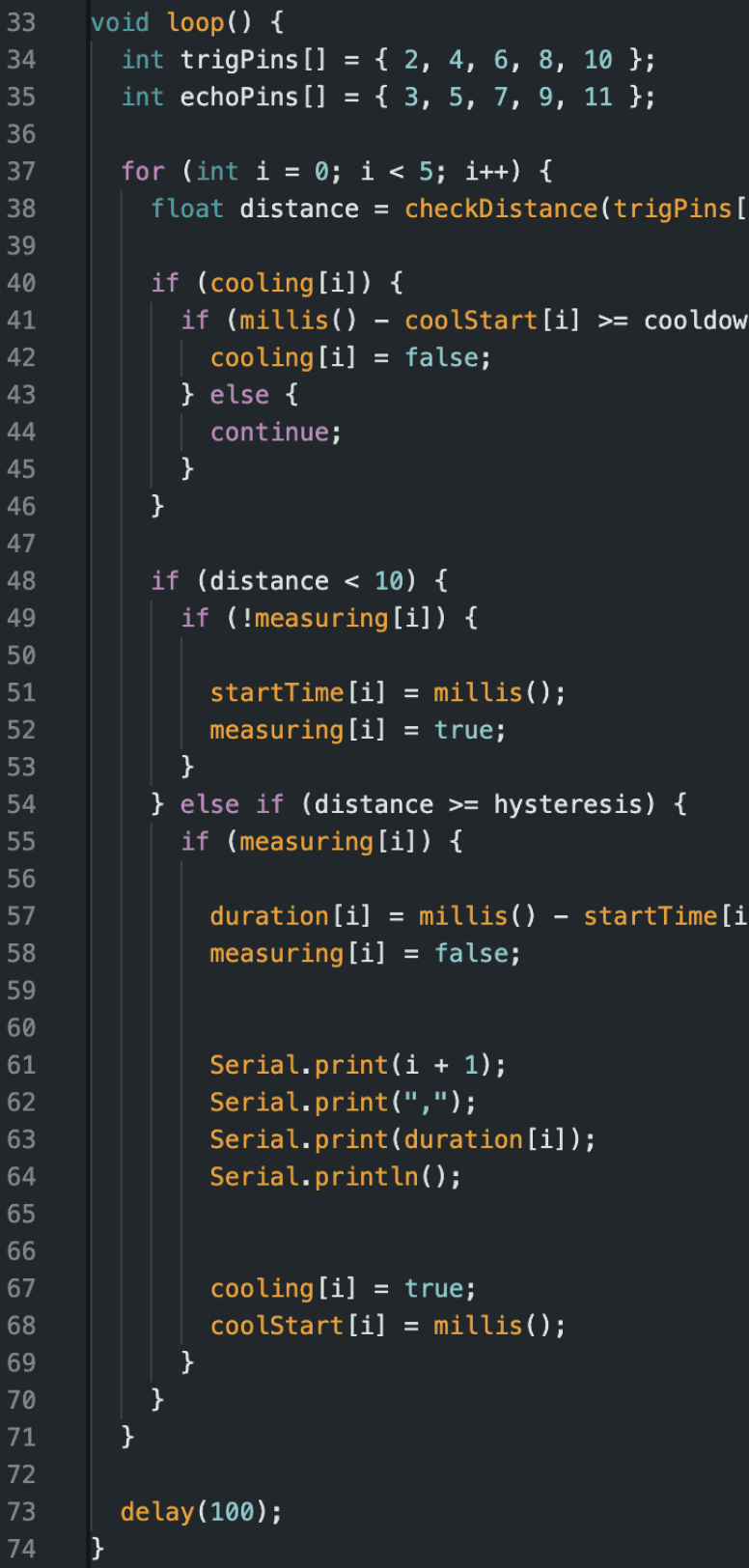
Inspired by the similarity between the dotted structure of music box paper strips and Morse code, I designed a process of translation from randomness into meaning: random actions generate random musical notes and rhythms, which are then interpreted through Morse code, converted into letters, and gradually formed into meaningful sentences.
By moving step by step from chaotic input to readable language, the work tests how randomness and disorder can be transformed into structure, communication, and meaning.
design Outcome