OMI

omi Thumbnail

YEAR

2025

CONTEXT

Collaborative

[Collaborative]

KEYWORDS

Interactive Object

Ambient Interaction

Emotional Presence

ROLE

PRODUCT & HARDWARE DESIGN

Design

FIGMA, RHINO

Systems

Arduino

Development

Project Overview

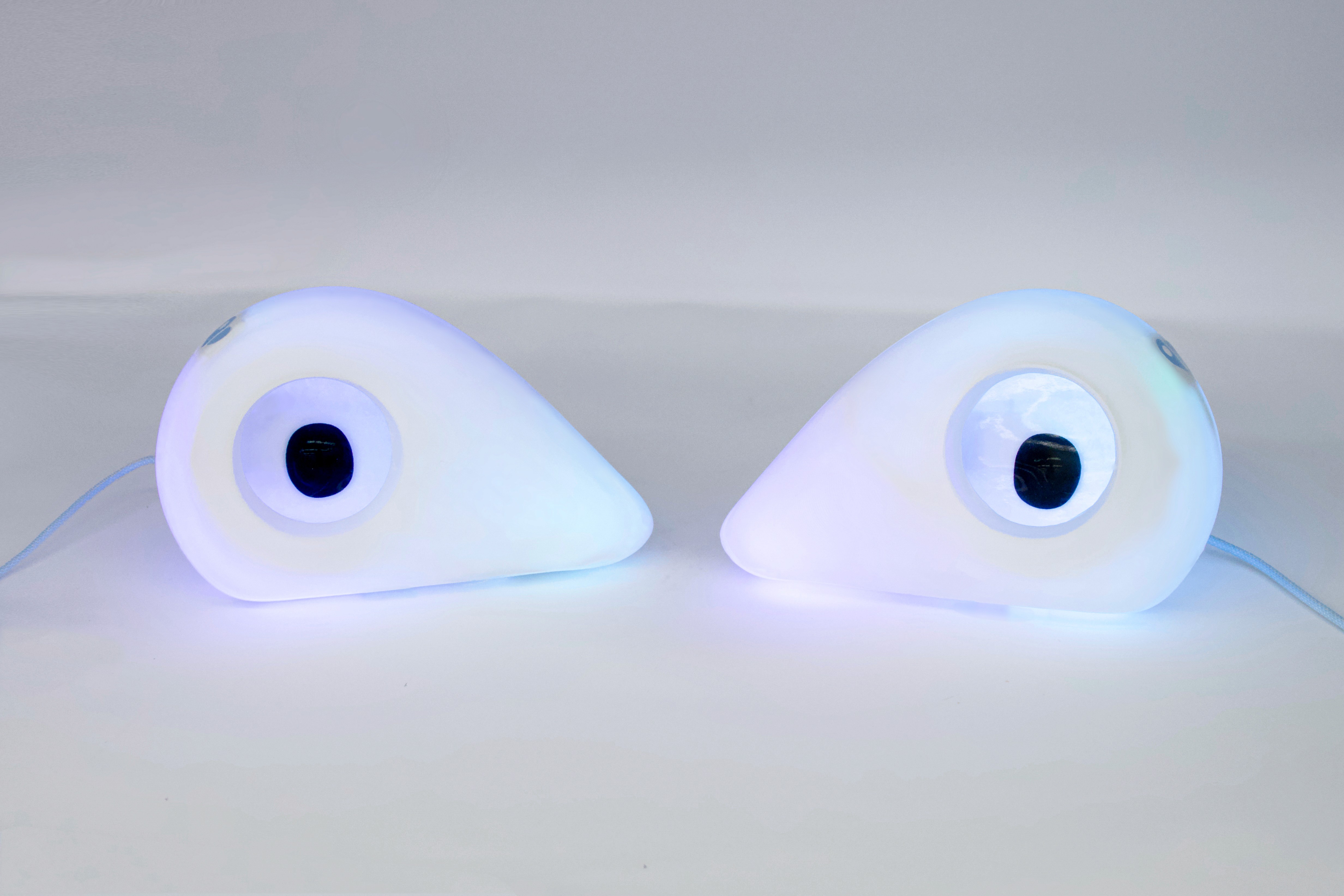
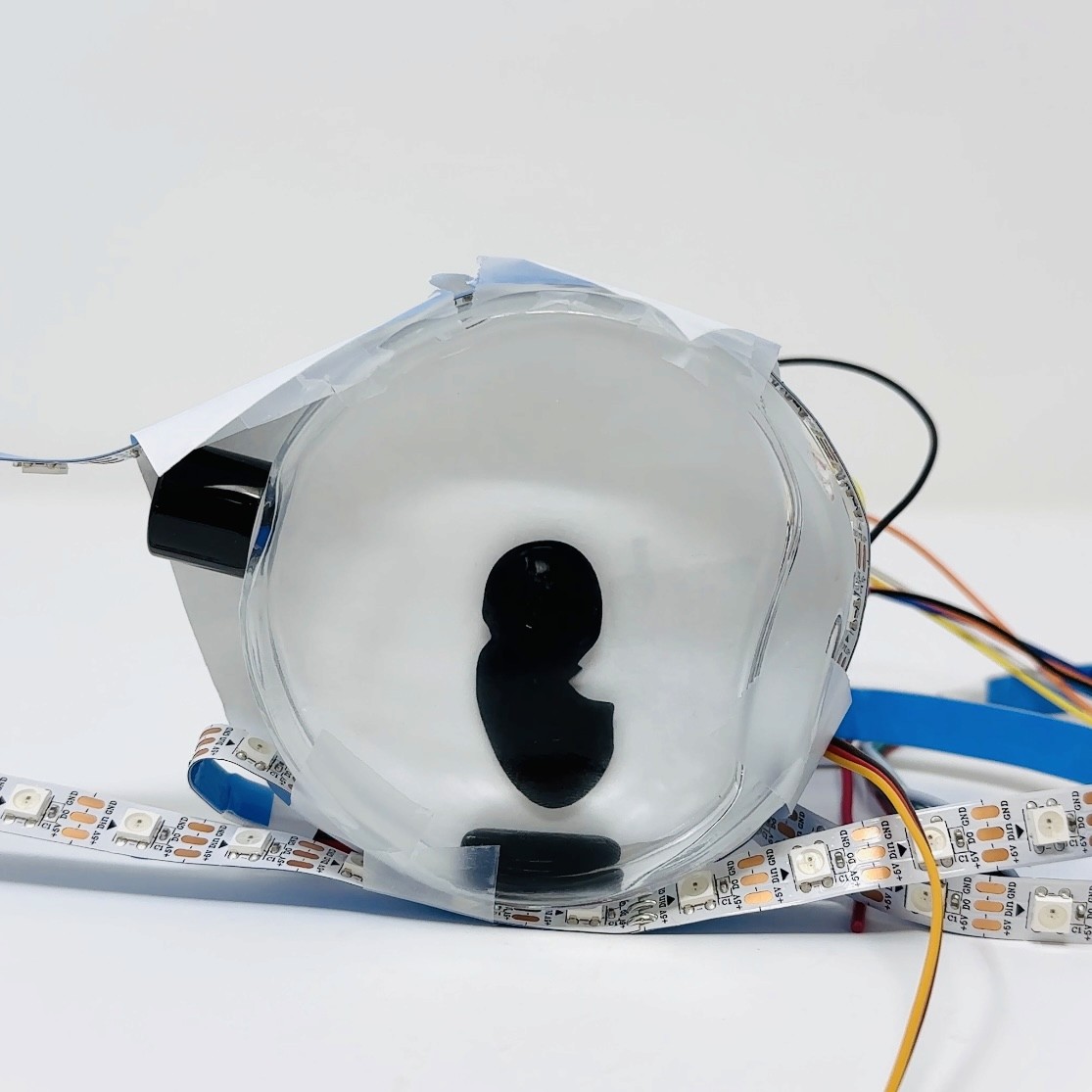
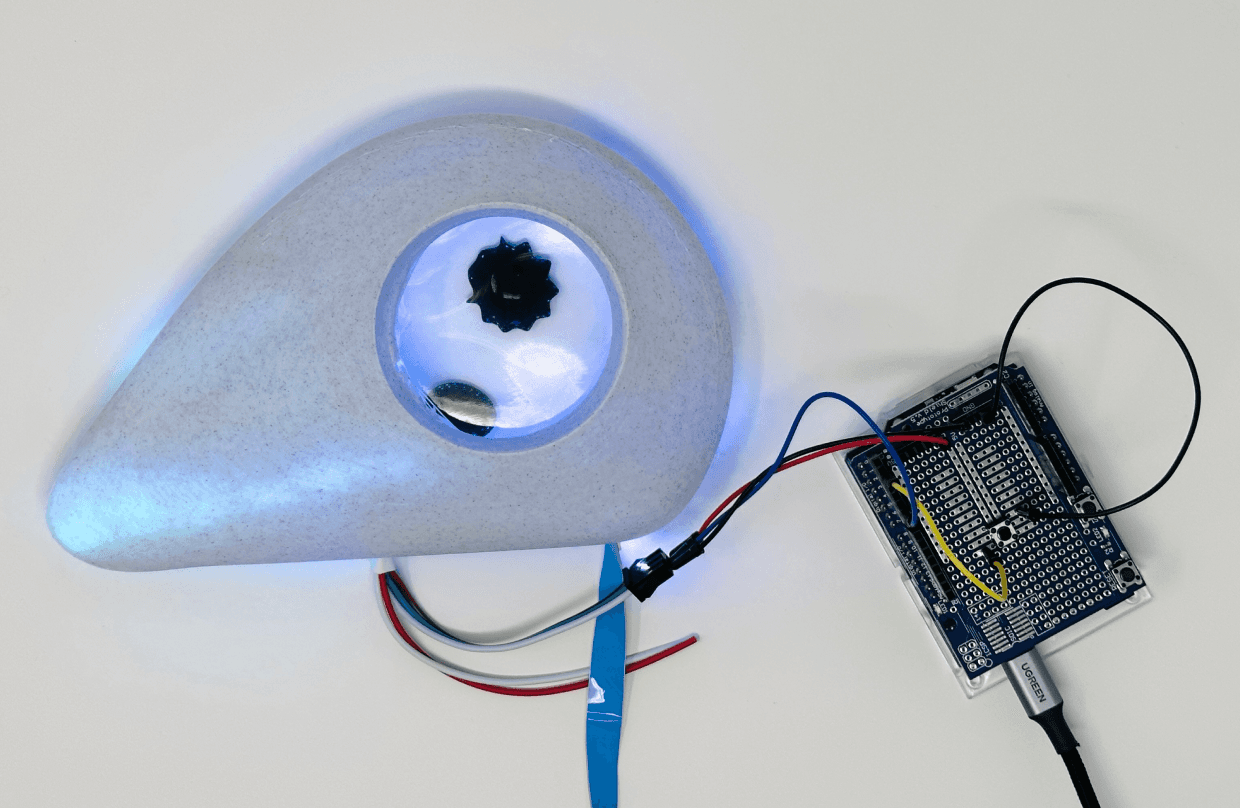
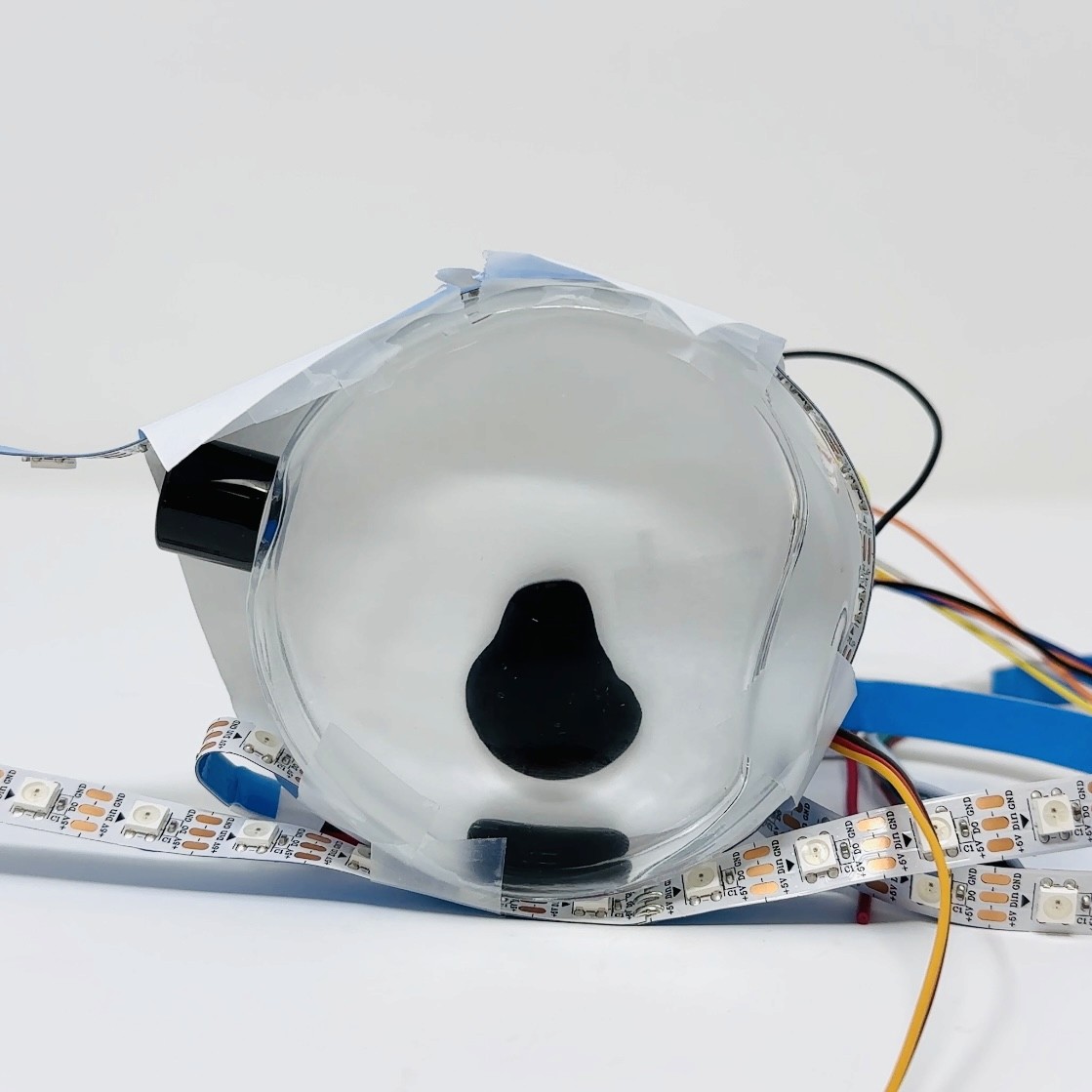
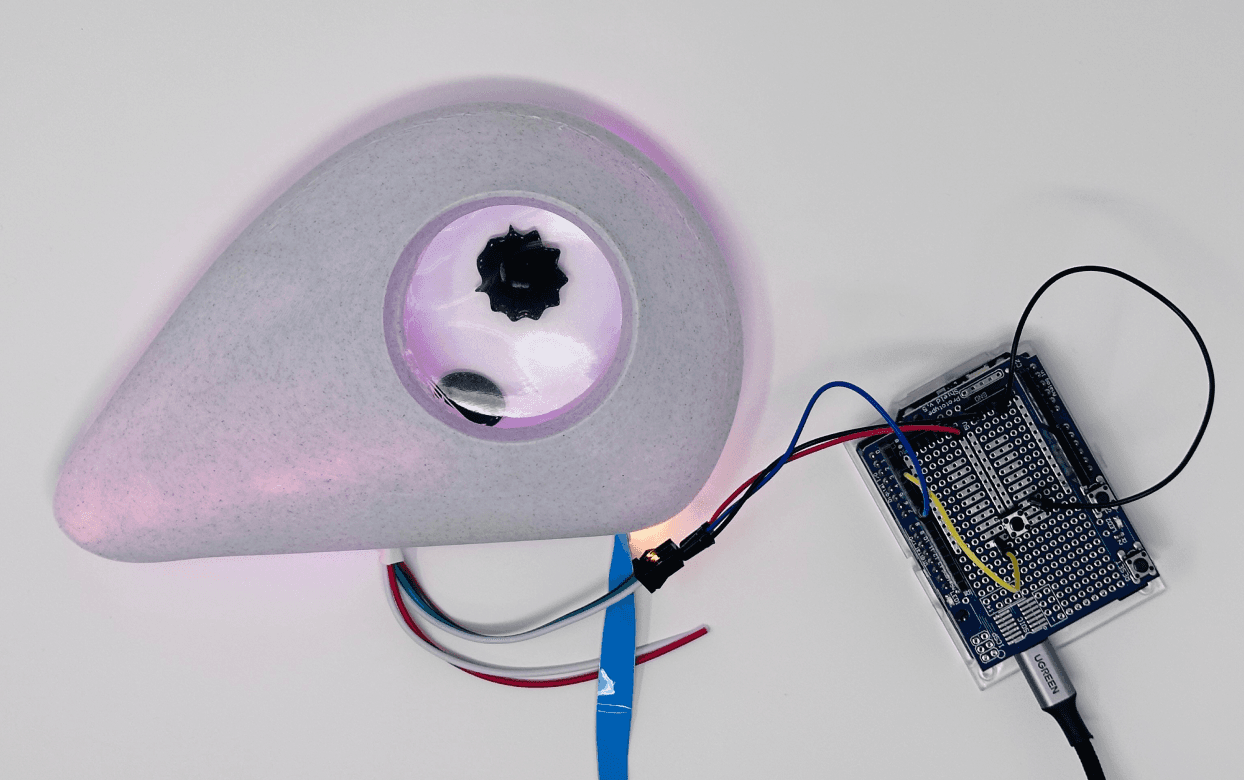
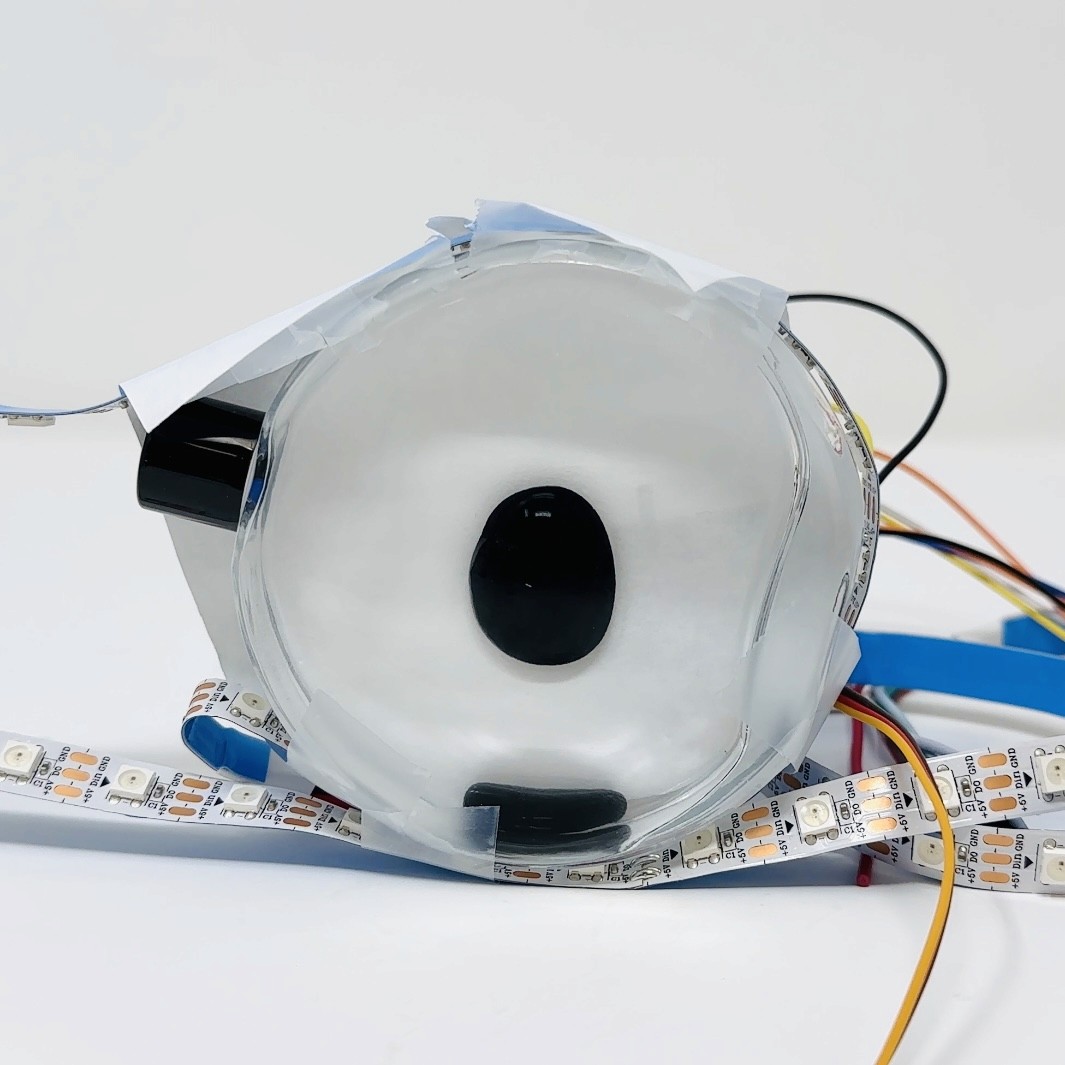
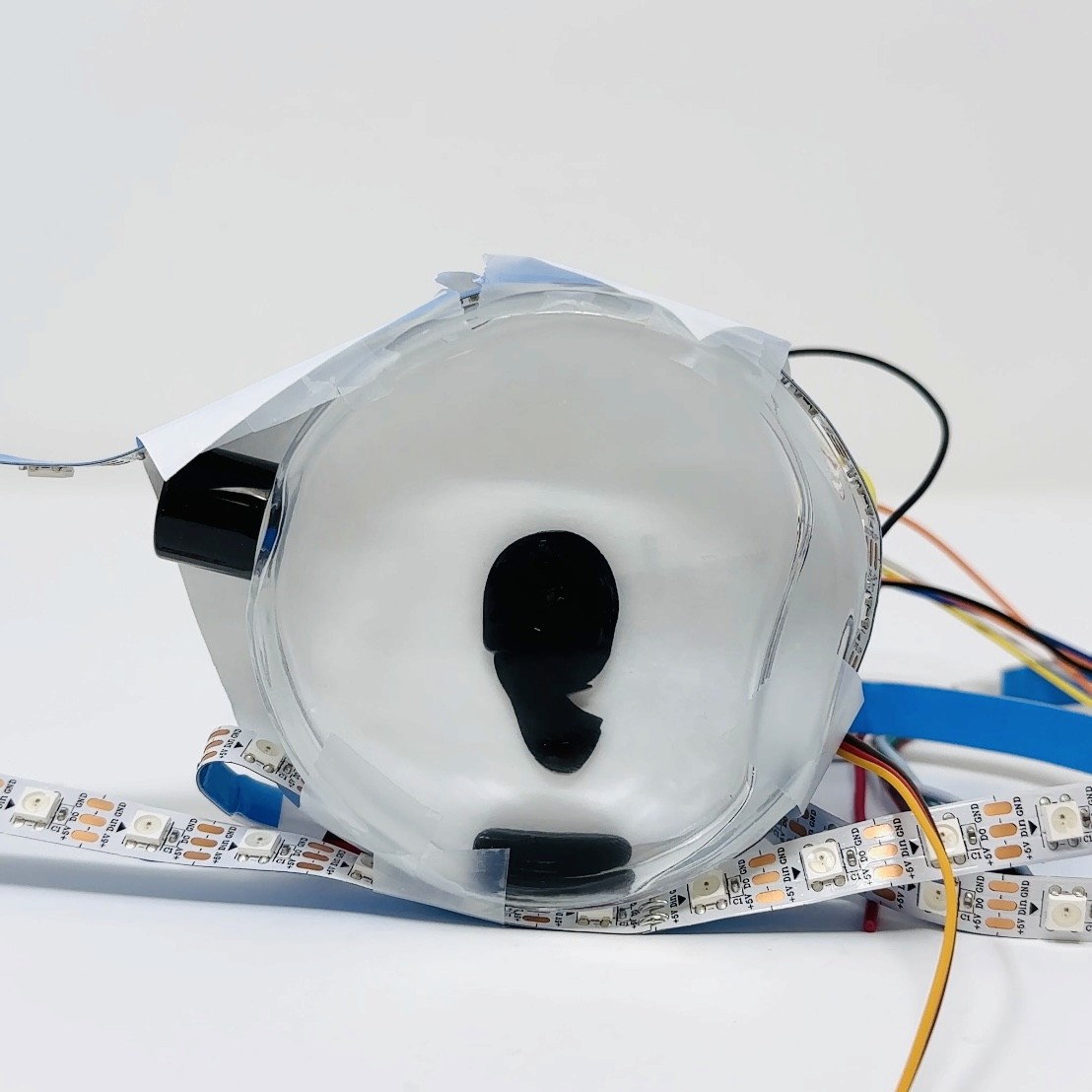
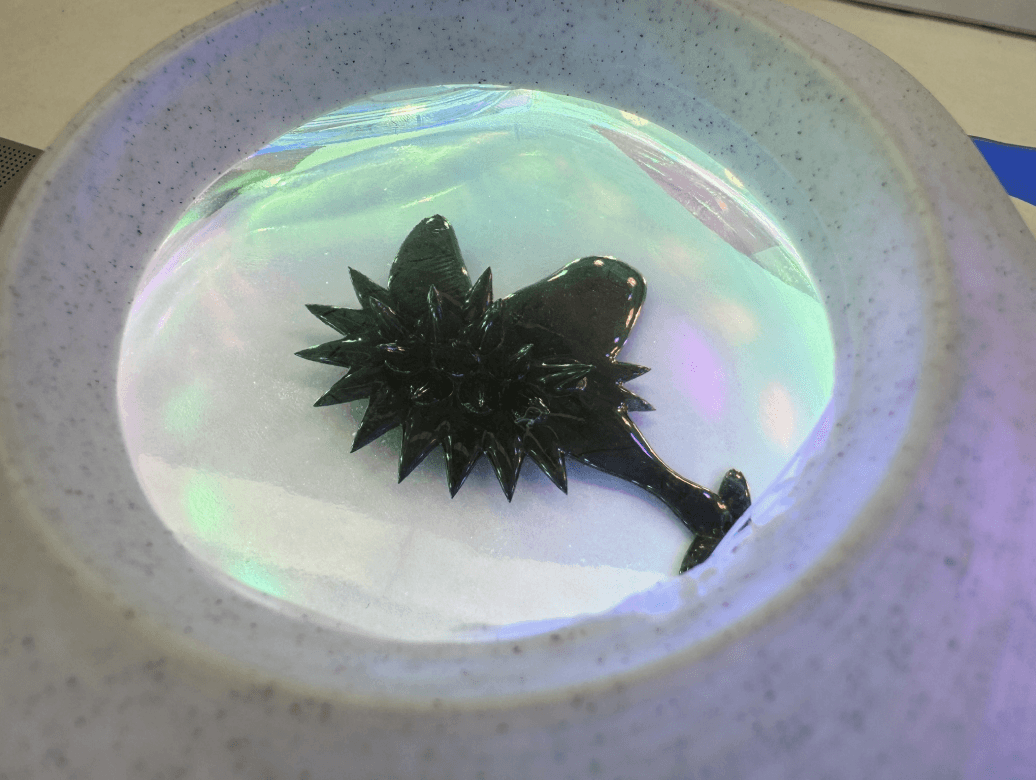
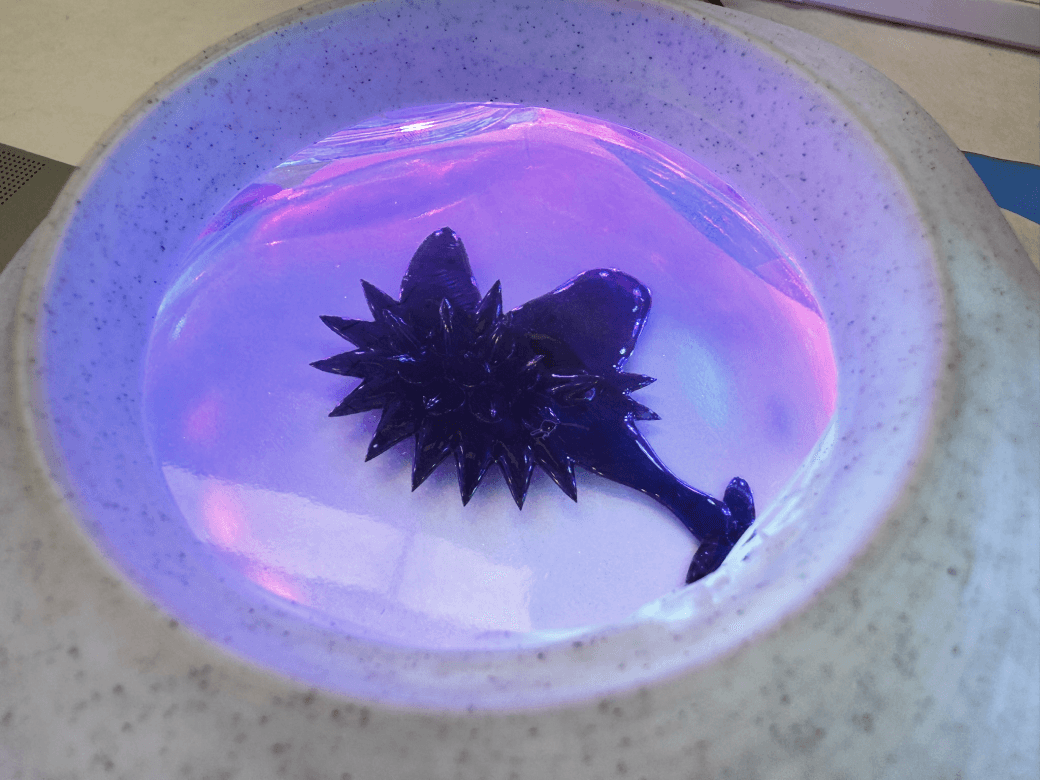
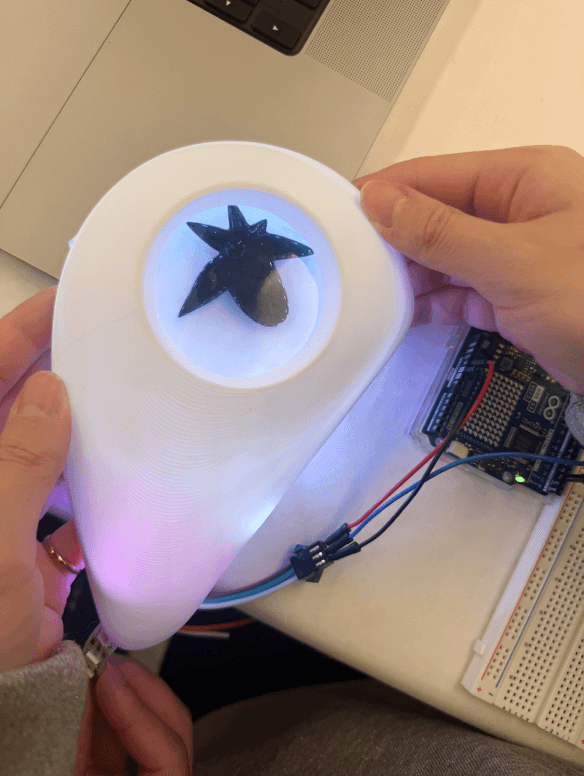
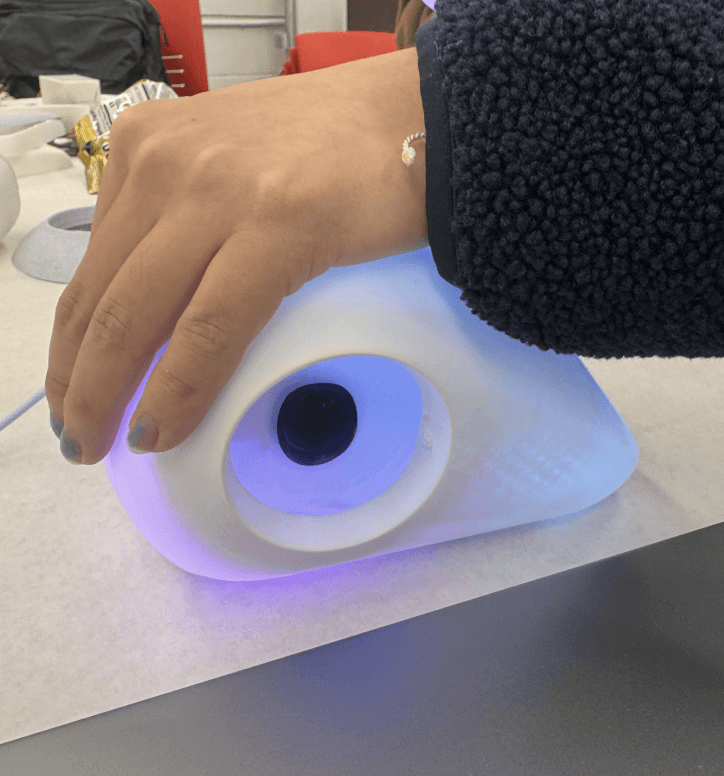
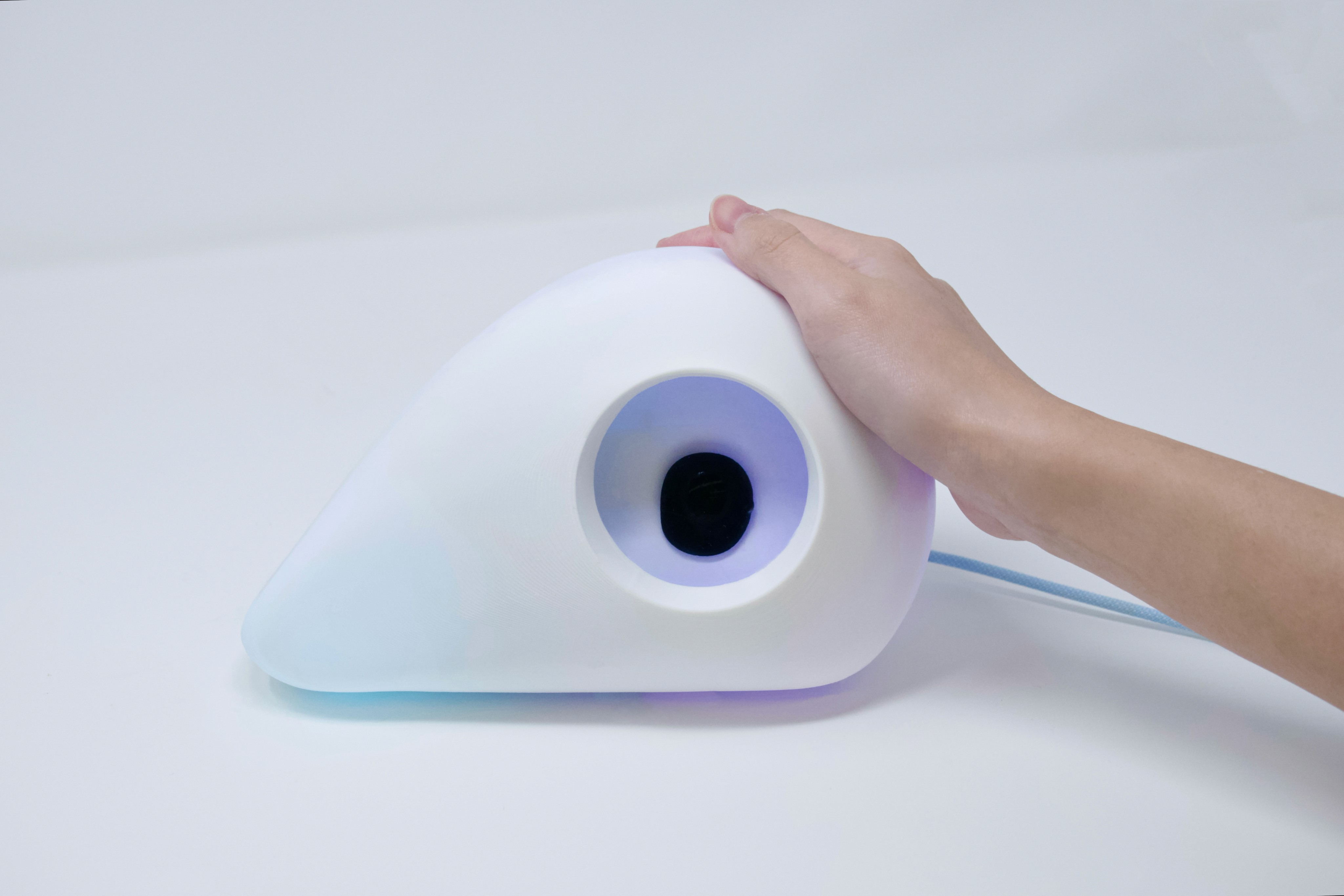
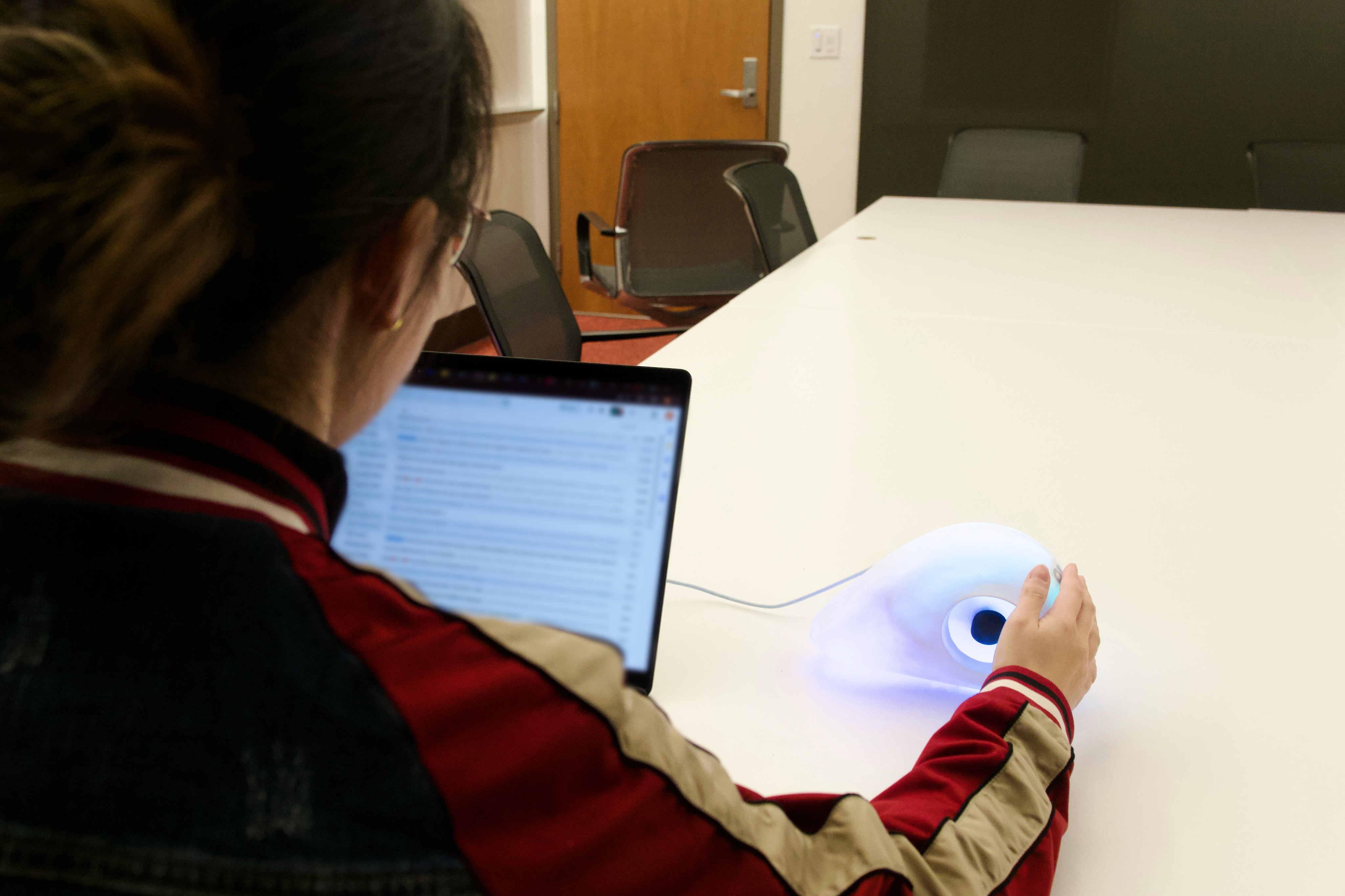
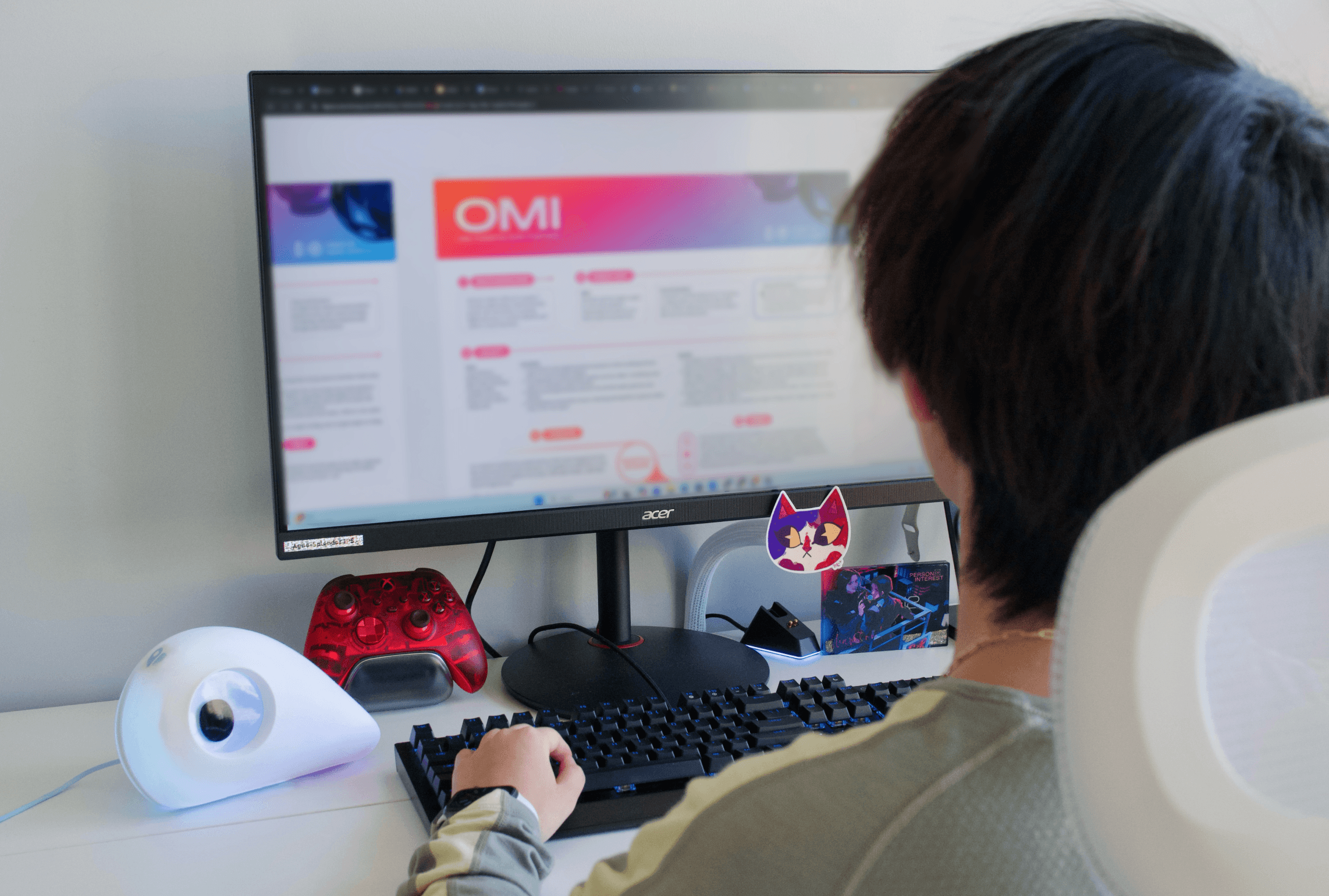
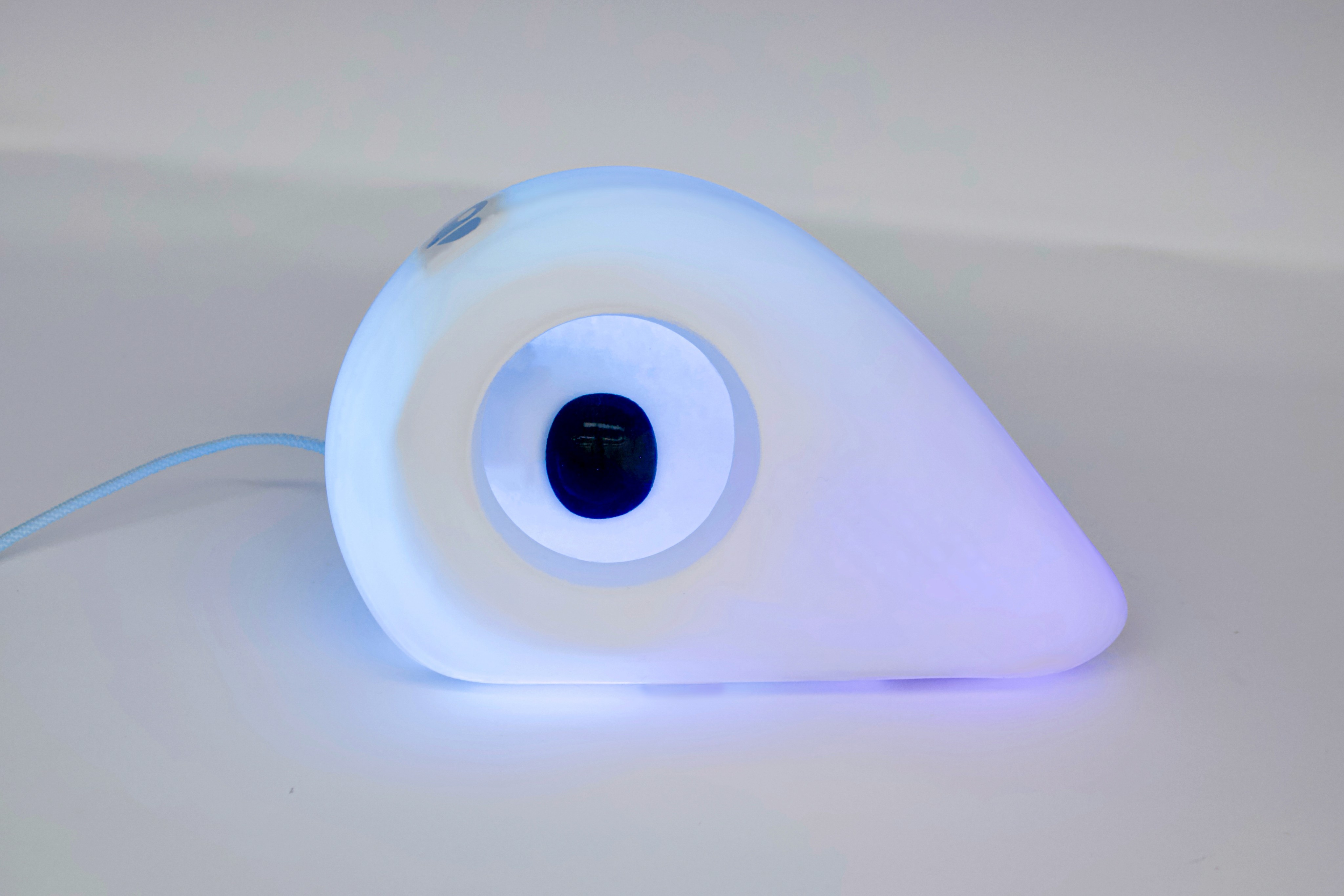
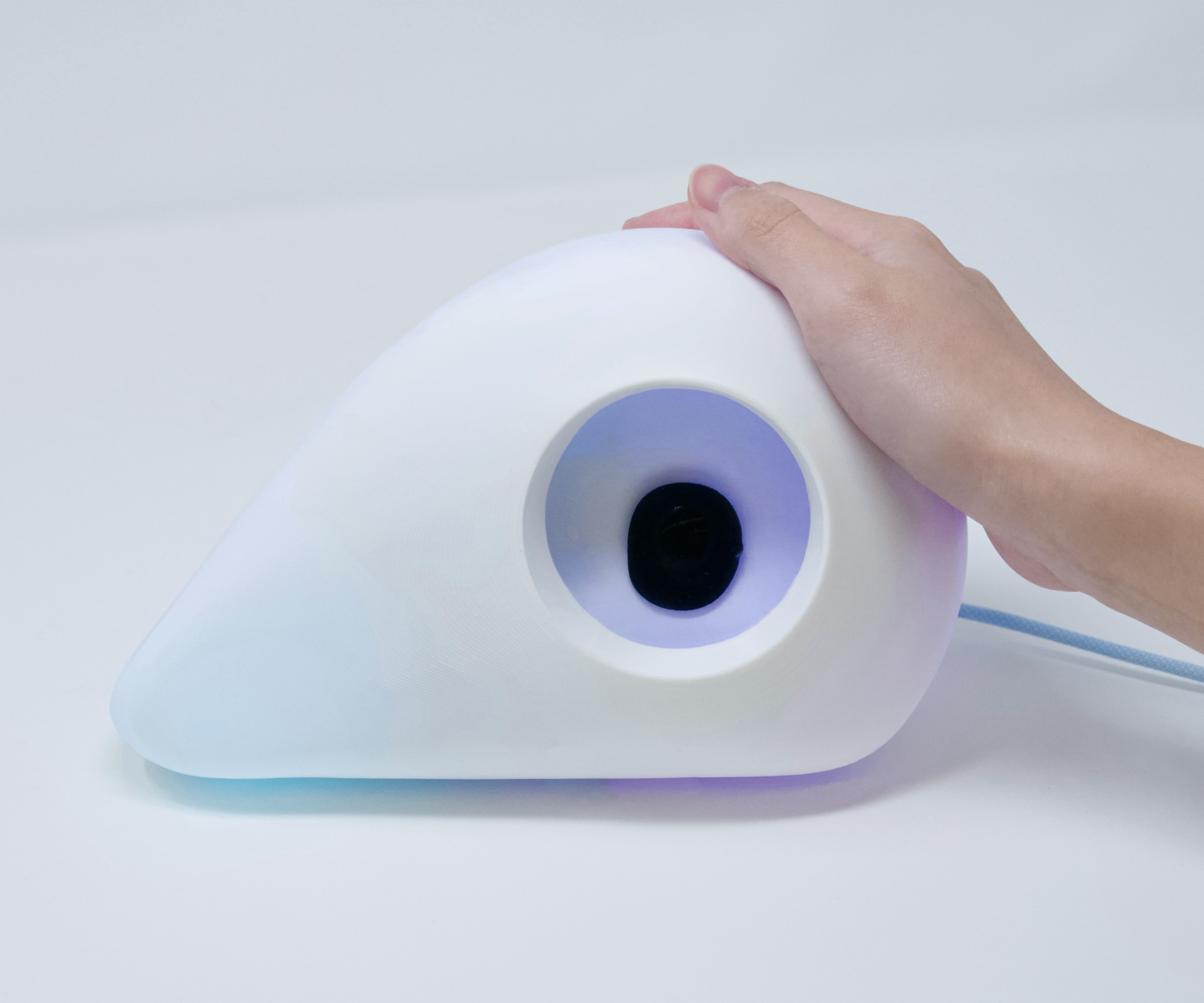
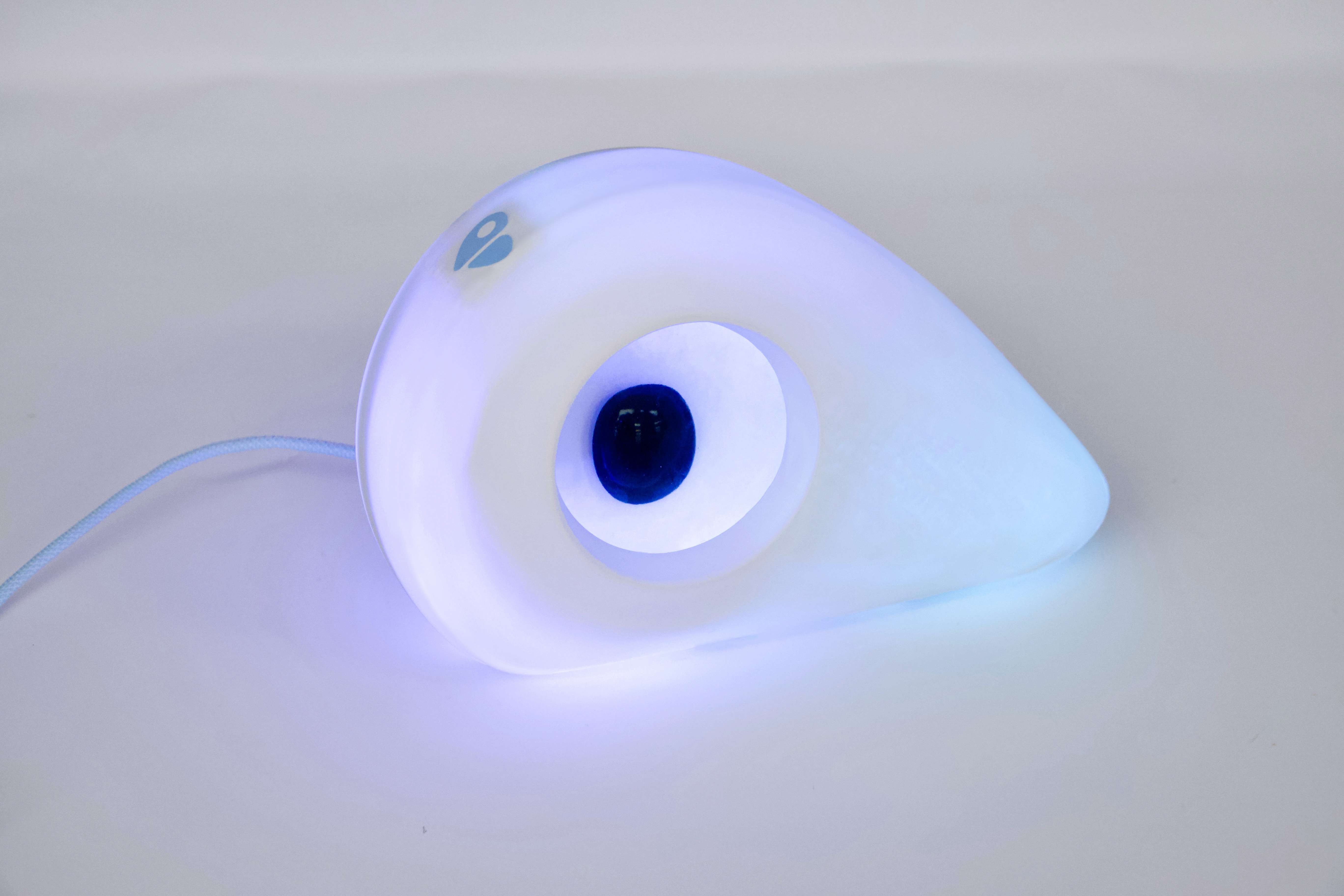
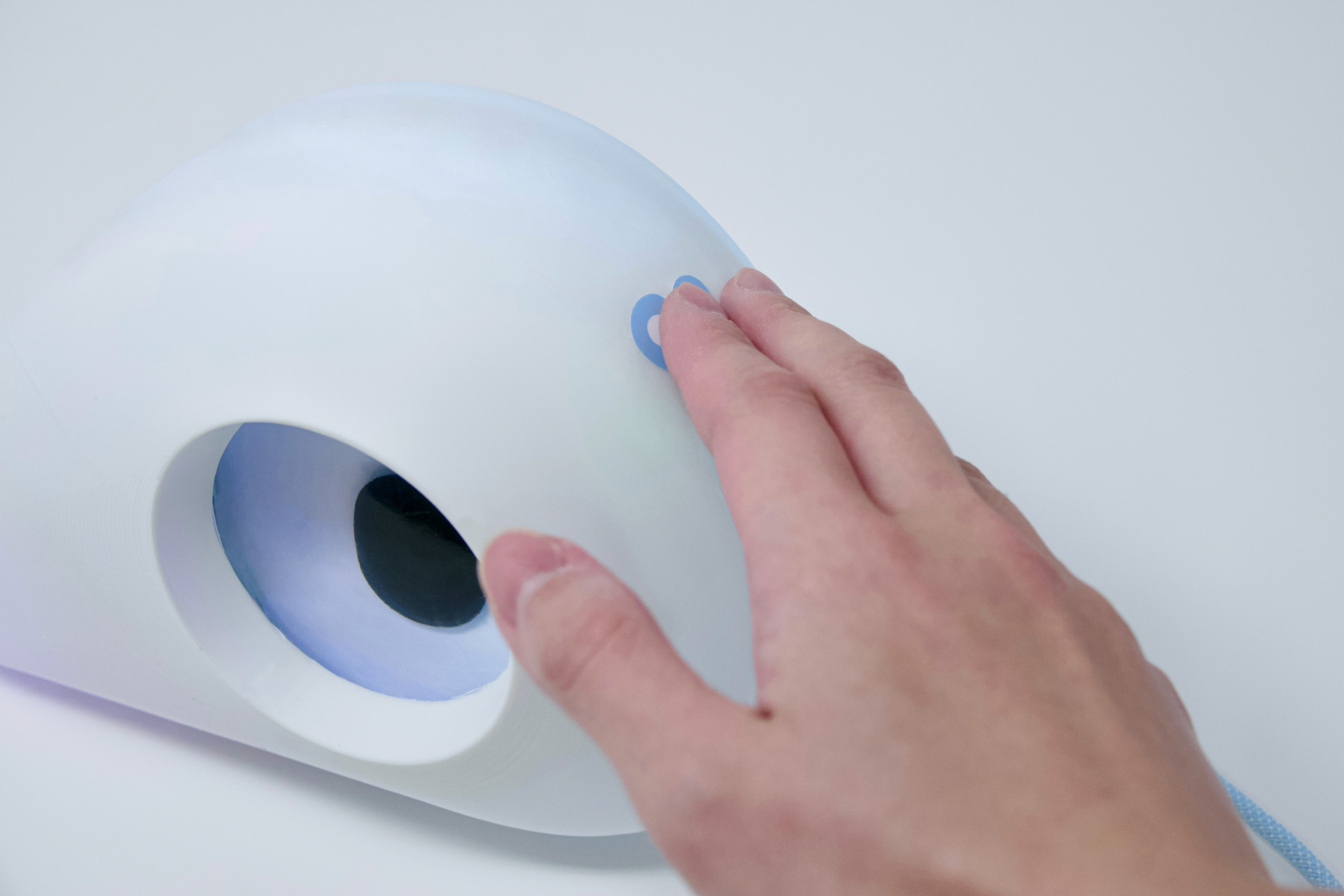
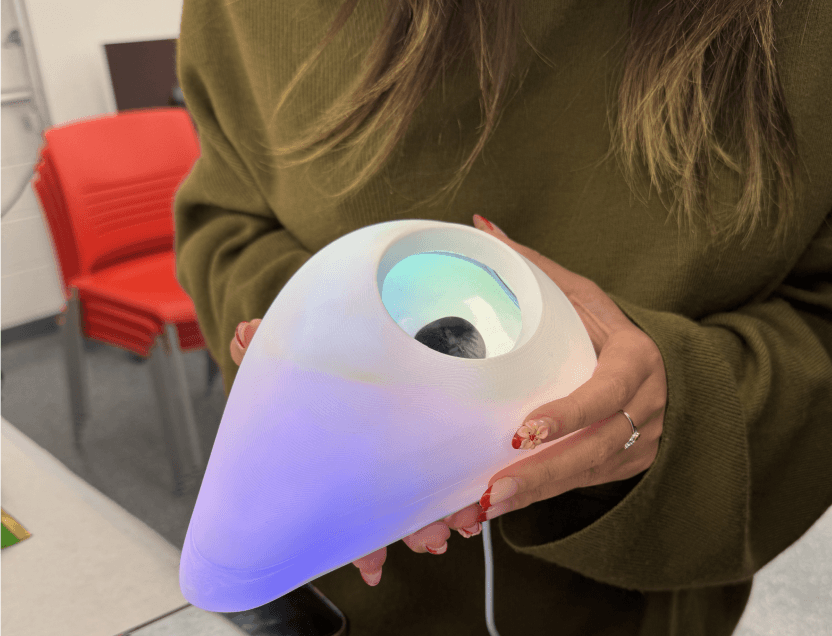
OMI is a paired interactive object that enables long-distance romantic partners to feel emotionally present through touch, movement, and light. By translating simple gestures into synchronized ferrofluid motion and subtle visual changes, it creates a quiet, shared language that exists beyond words. Designed to live in the background of daily life, OMI supports moments of connection that are felt rather than spoken, turning distance into a gentle, embodied sense of companionship.
omi Image 1
omi Image 1
omi Image 2
omi Image 2
omi Image 3
omi Image 4

Problem

Distance makes it difficult for romantic partners to feel emotionally present, as tools like texting or calling often require constant attention and active effort. While these methods keep people connected, they can feel more like tasks than moments of comfort, and physical objects offer a sense of grounding but remain personal rather than shared. Many partners instead look for quieter, more natural ways to feel close in everyday moments, without needing to say anything at all.

Research

interviews

insights

Challenges in Long Distance Relationships

Emotional disconnect

Stress + uncertainty

Communication overload

Loss of ritual & routine

Unbalanced effort

Limited embodiment


What supports connection

Our research on affection and touch suggests that gentle, intentional sensory cues can reduce stress, build trust, and communicate care without words, creating moments of comfort, mutuality, and felt presence.

These findings led us to focus on designing for quiet companionship rather than constant communication. Instead of creating another tool for active exchange, the project explores how subtle, touch-like interactions can offer comfort, emotional grounding, and a shared sense of closeness across distance.

Embodied connection

Quiet companionship

Ritual gestures

Mindfulness + stress relief

Natural spontaneity

Mutual adaptability

Emotional depth over frequency

Presence beyond co-presence


Sketches & Prototypes
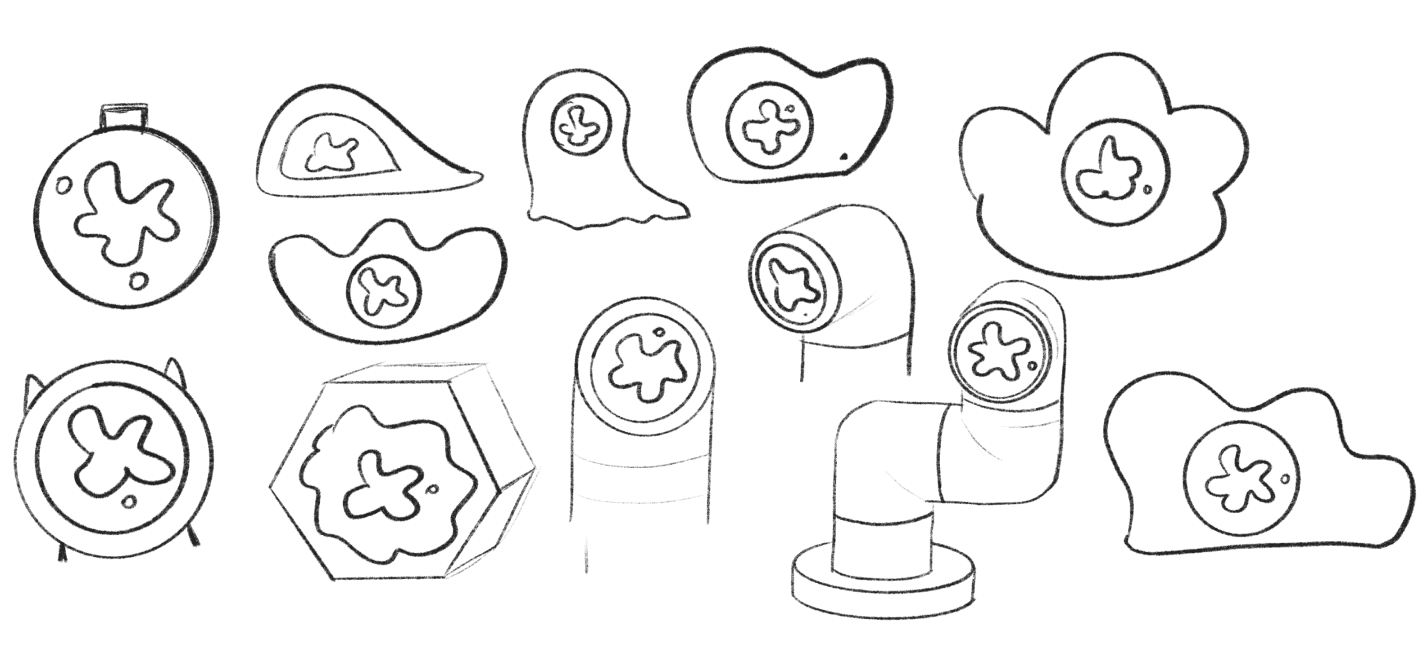
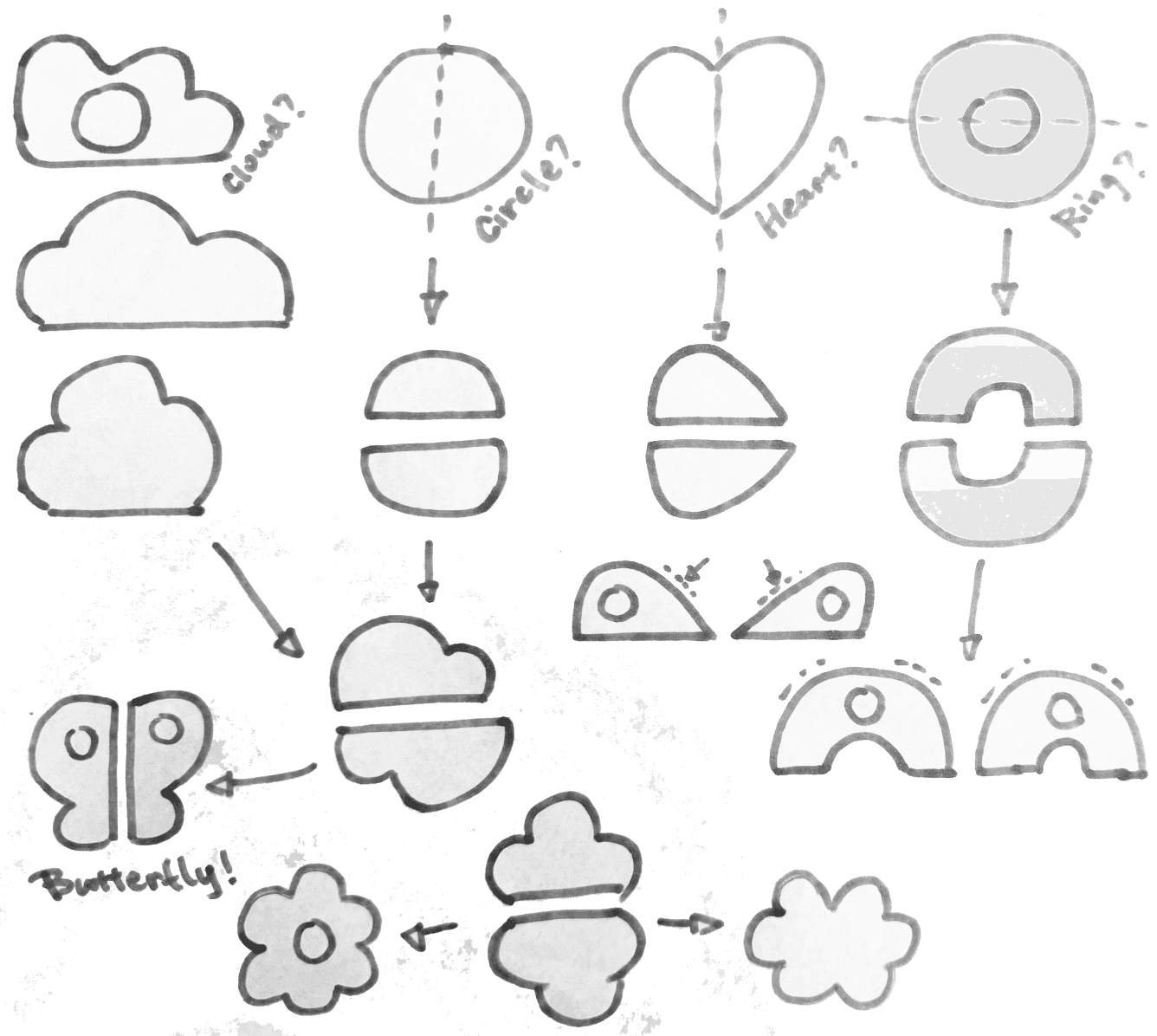
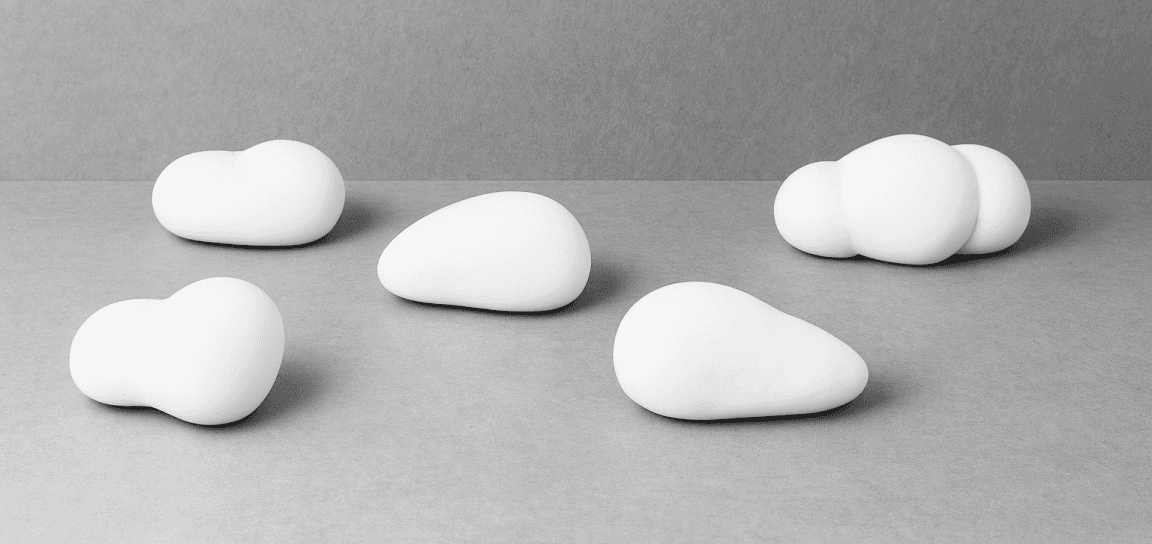
Our research showed that people look for small, reassuring gestures that feel natural and emotionally expressive, leading us to explore how connection could be conveyed through form, material, and movement. Early studies drew from soft, familiar natural forms like stones and clouds, while later experiments with ferrofluid and a web-based simulation tested how motion, responsiveness, and gesture could create a sense of presence. Together, these explorations led us to develop a paired system of soft forms that fit together as a simple, meaningful representation of connection.

exploration

A combination of user testing, clay modeling, CAD development, and 3D-printed prototypes was used to refine the product’s form and ergonomics.
iteration

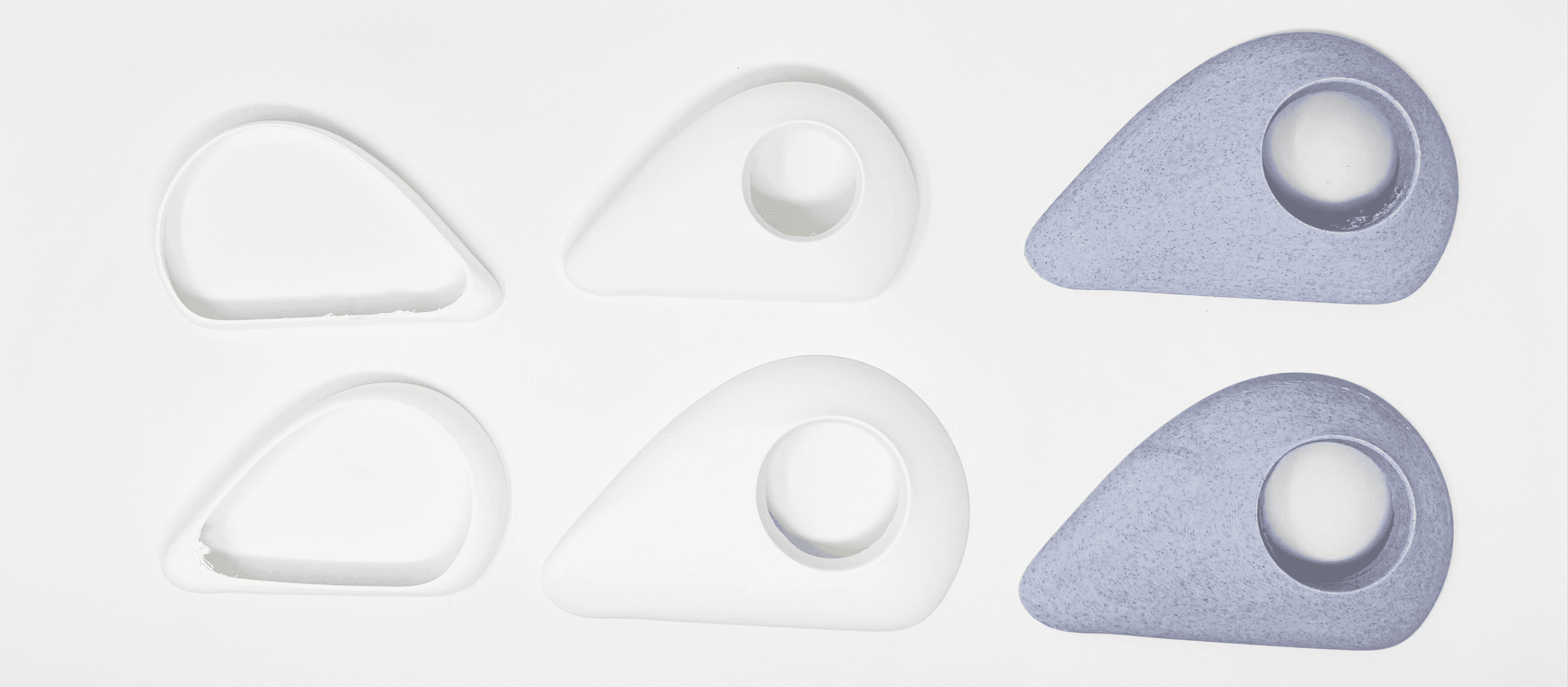
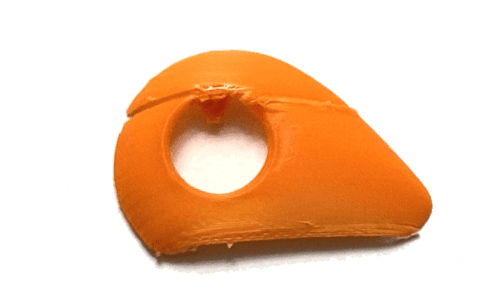
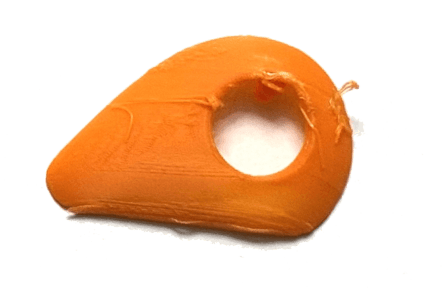
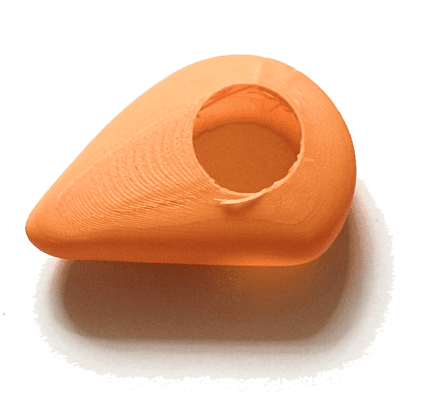
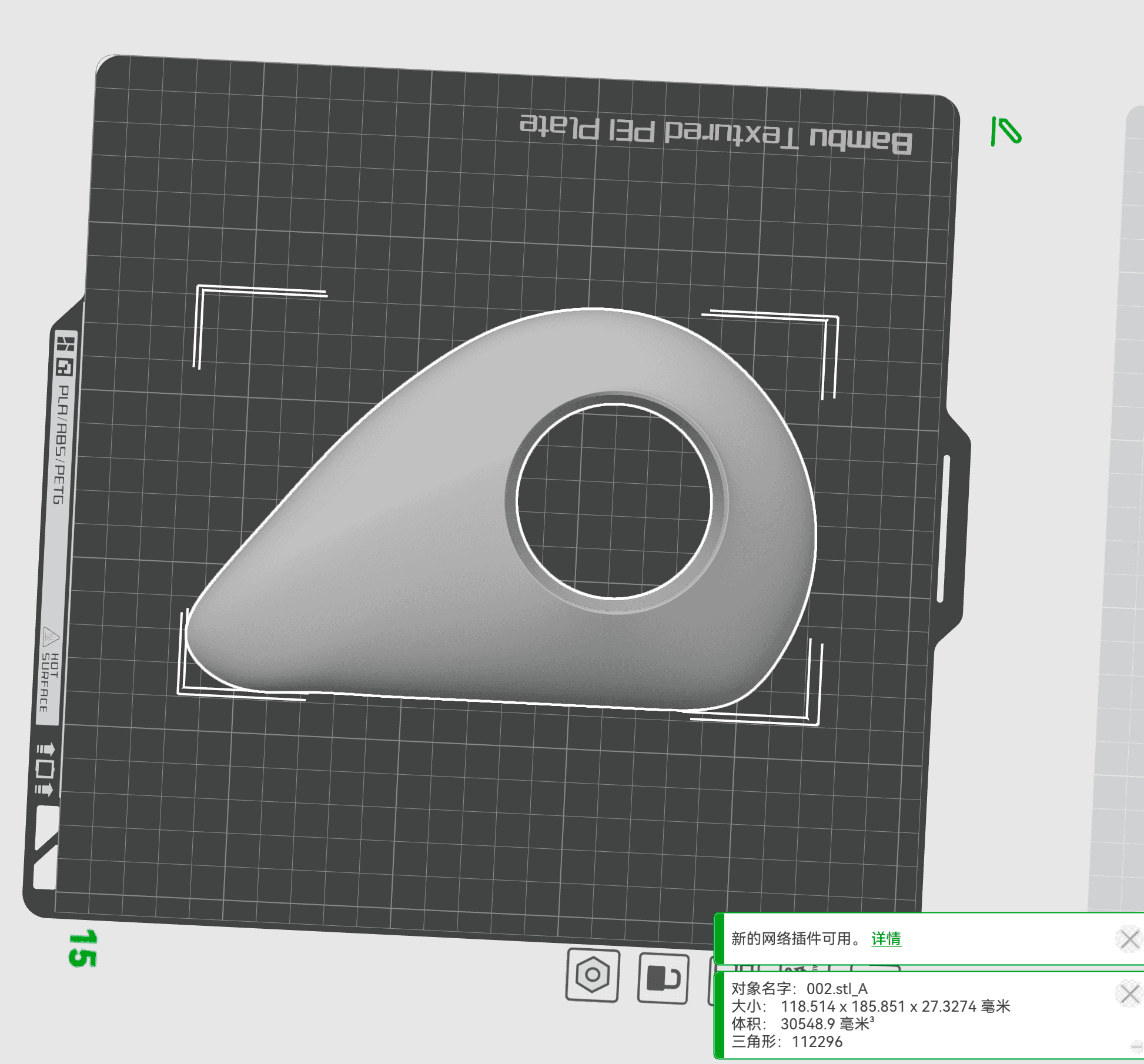
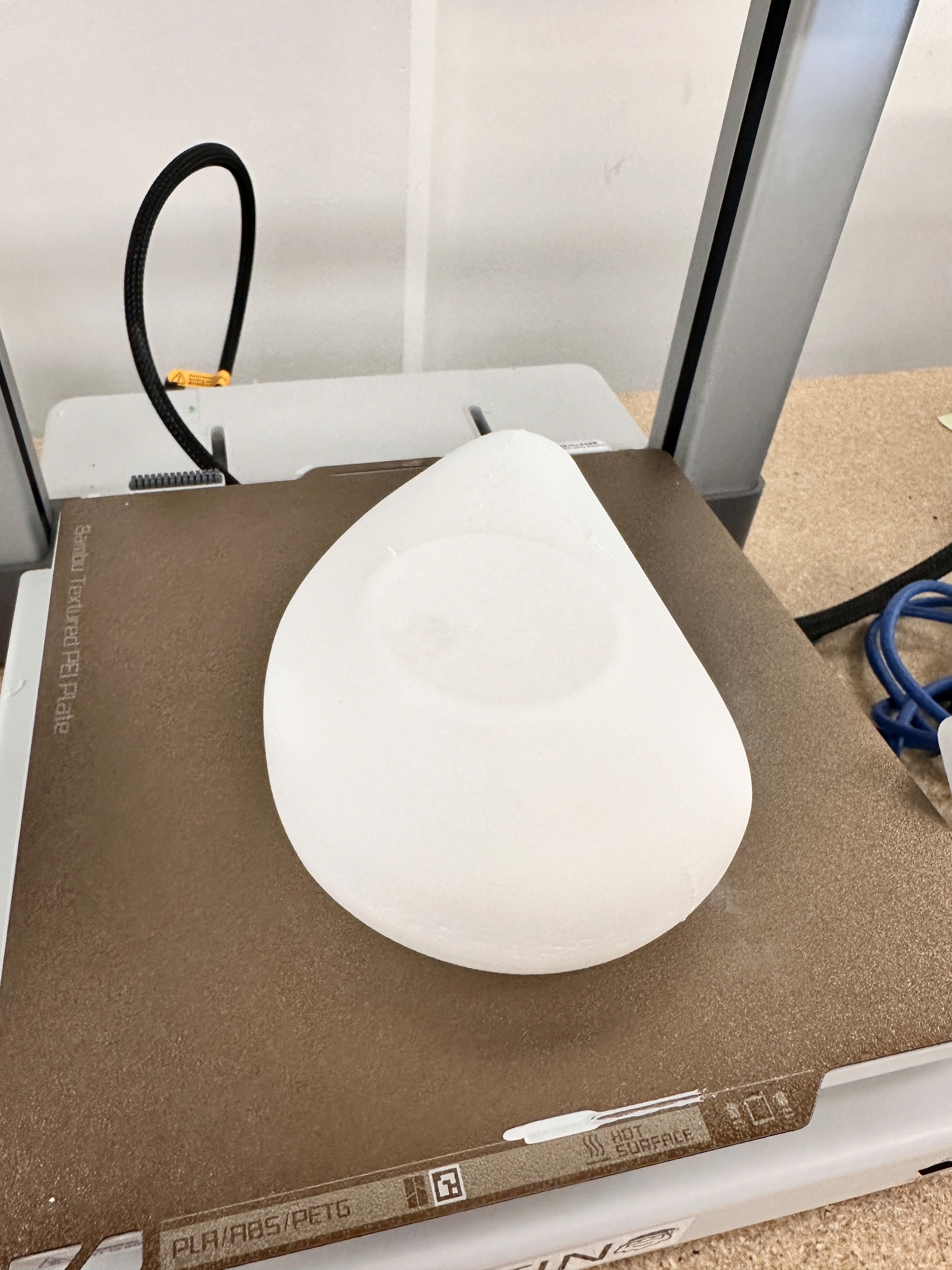
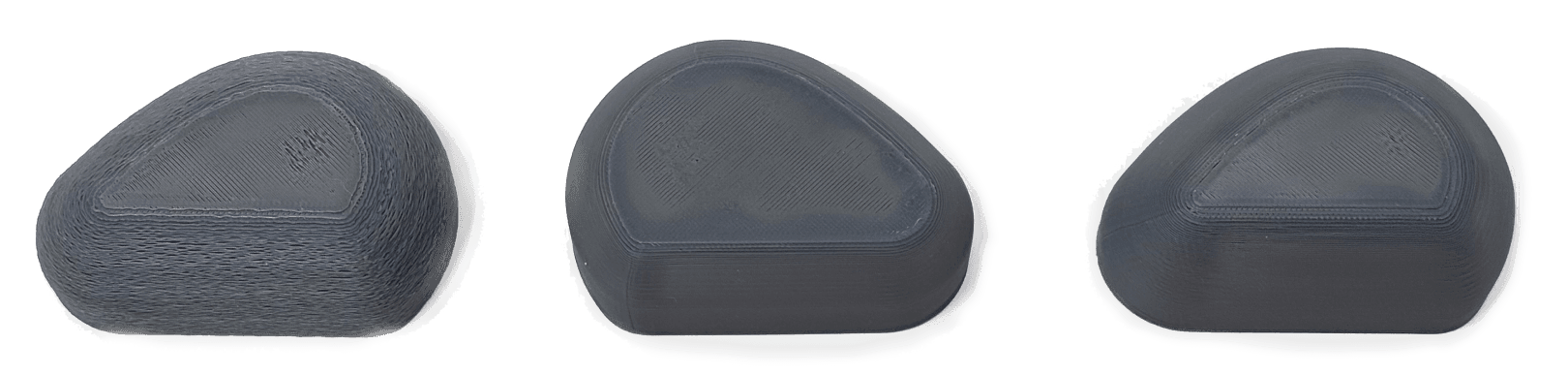
Building on these insights, we translated the curve into multiple CAD variations and tested them through 3D printing, evaluating hand feel, grip behavior, balance, thickness, and proportion.

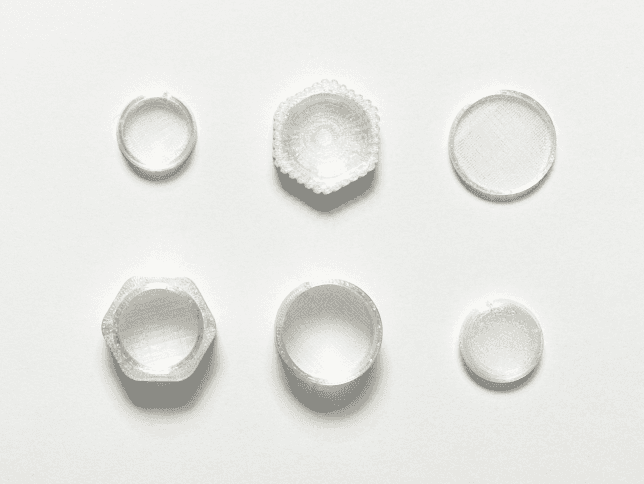
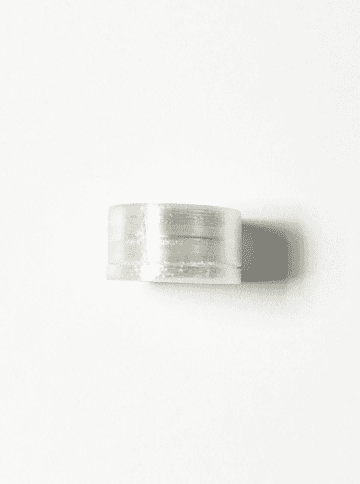
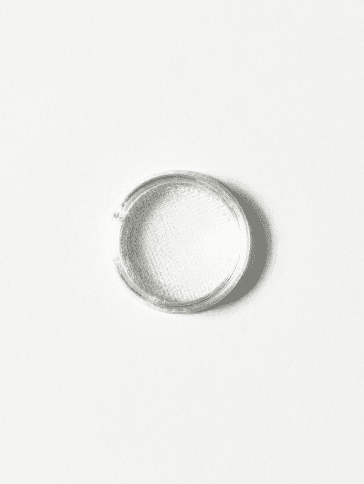
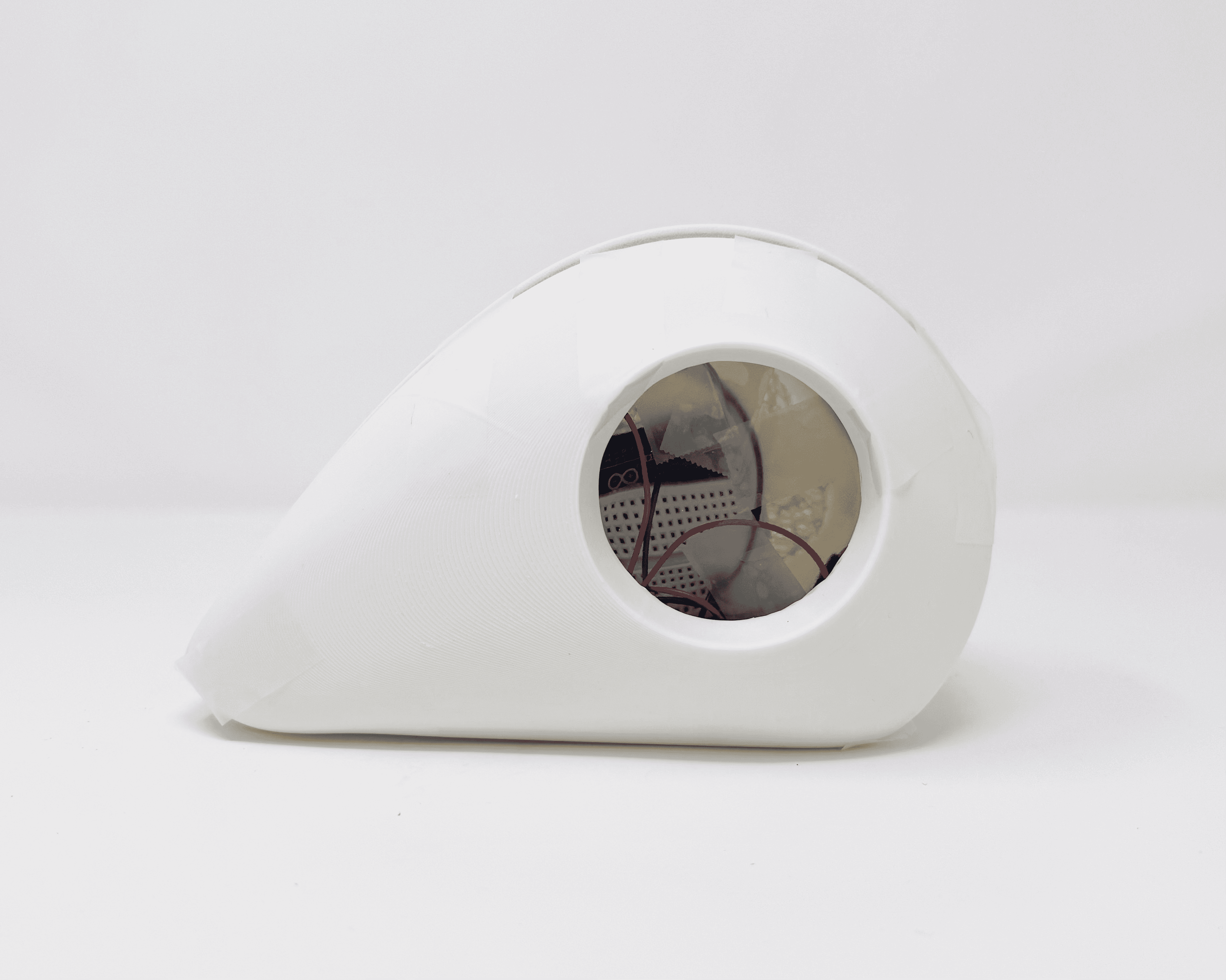
We also examined textures, surface bumps, transparency, and internal hollow space to understand how the object could feel soft and intuitive in the hand while still housing components such as hardware and ferrofluid containers.

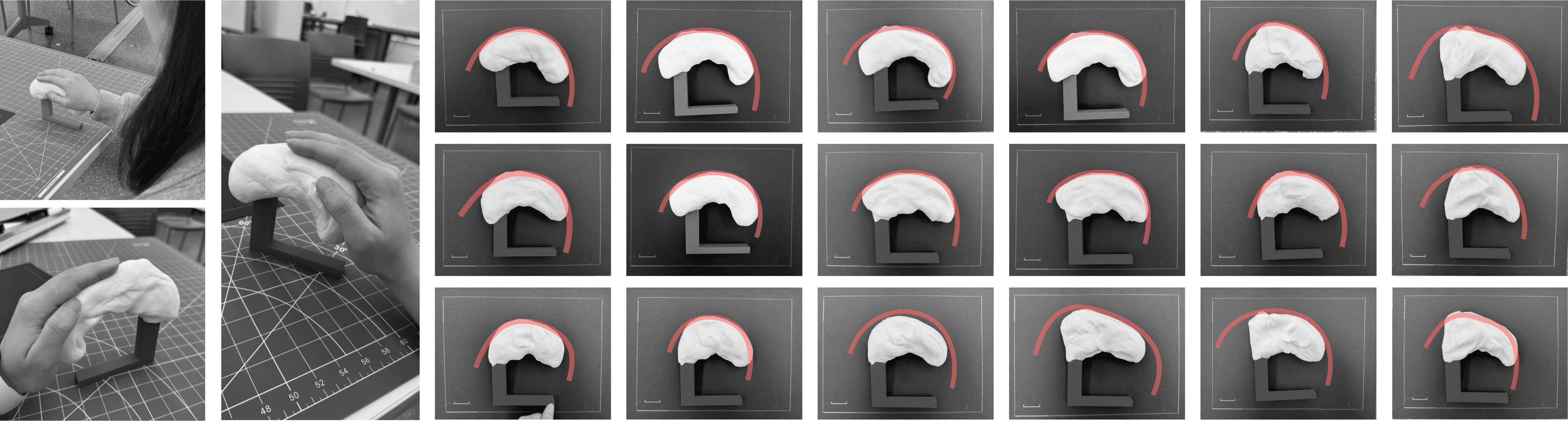
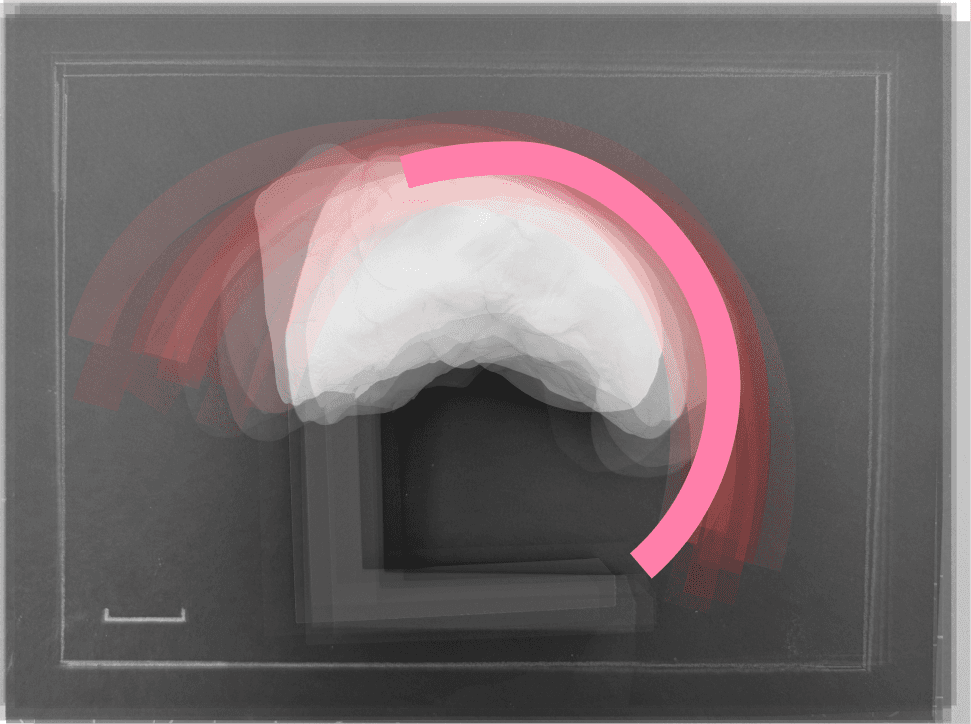
We invited 18 users to shape clay into the curve that felt most comfortable in their hand, documenting preferred gestures and contours, then overlaid these results to identify a shared comfort arc that could guide the overall form.
Across these iterations, hands-on feedback helped us converge on a form that supports simple movement, feels natural to hold, and offers a soothing ergonomic experience.


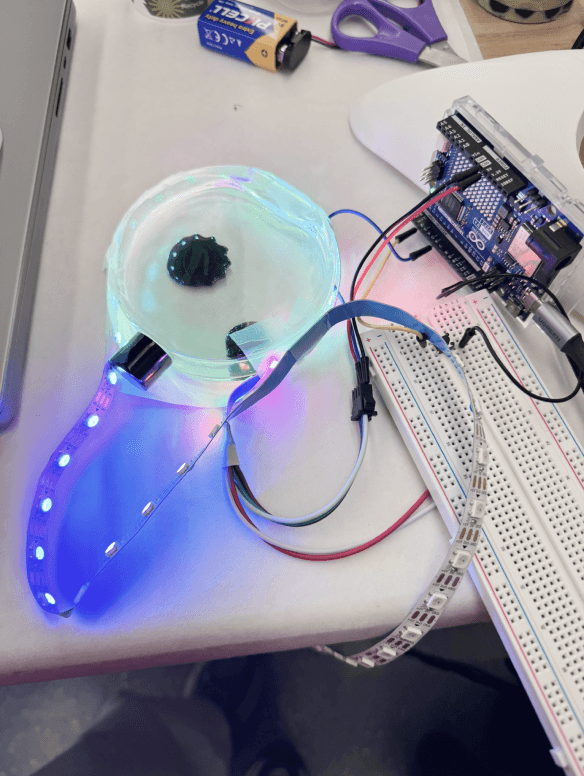
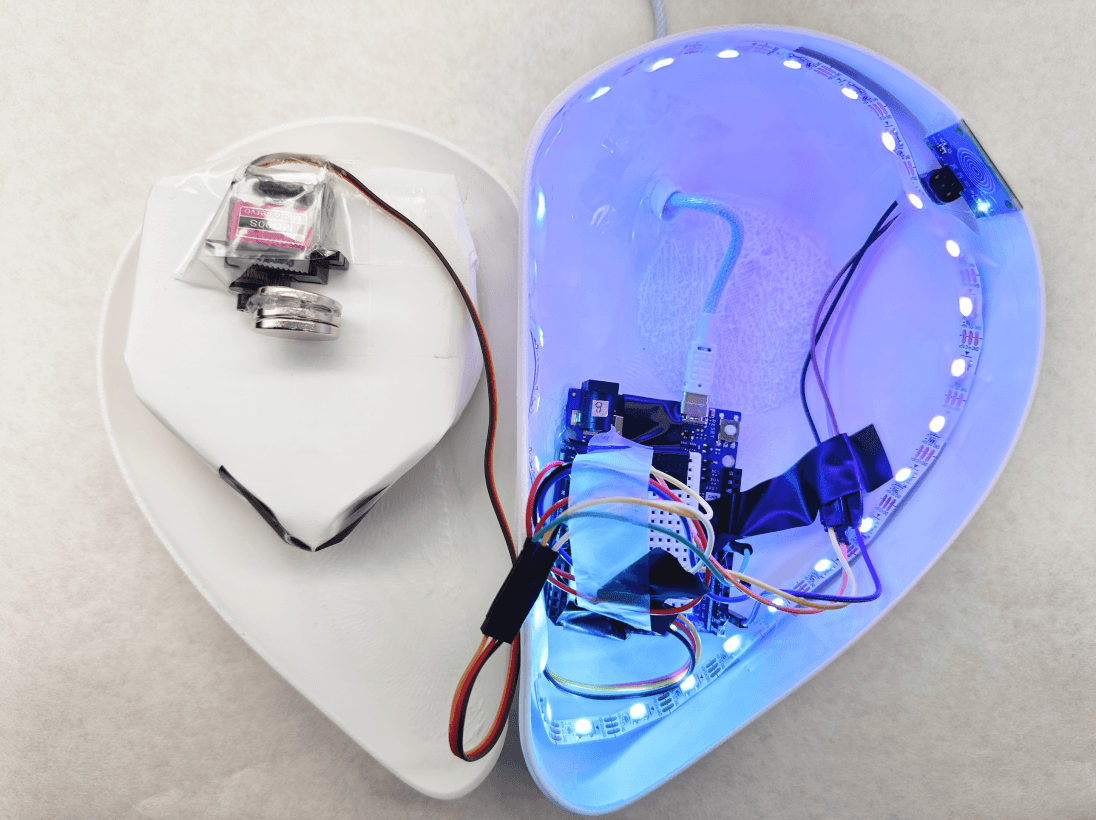
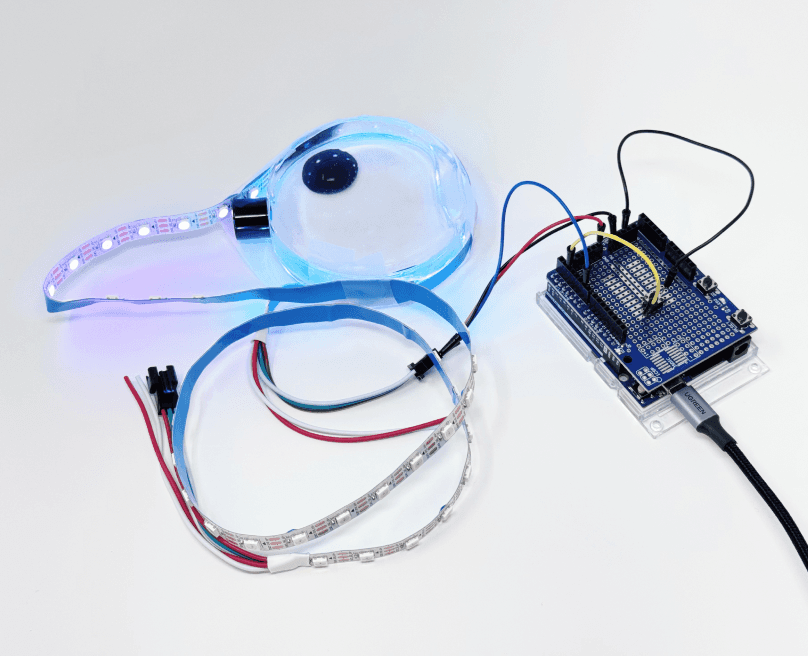
We explored the product through parallel testing of its lighting, ferrofluid, and interaction system. For the ferrofluid, we experimented with magnetic configurations and built a touch-triggered servo-driven magnet system to study how motion and responsiveness could convey an emotionally expressive gesture. At the same time, we iterated on lighting patterns, color transitions, and diffusion to evaluate visual softness, emotional tone, and integration with the form. Together, these tests helped us understand how different touch gestures could trigger coordinated changes in both ferrofluid motion and light behavior, creating a more responsive and meaningful experience.

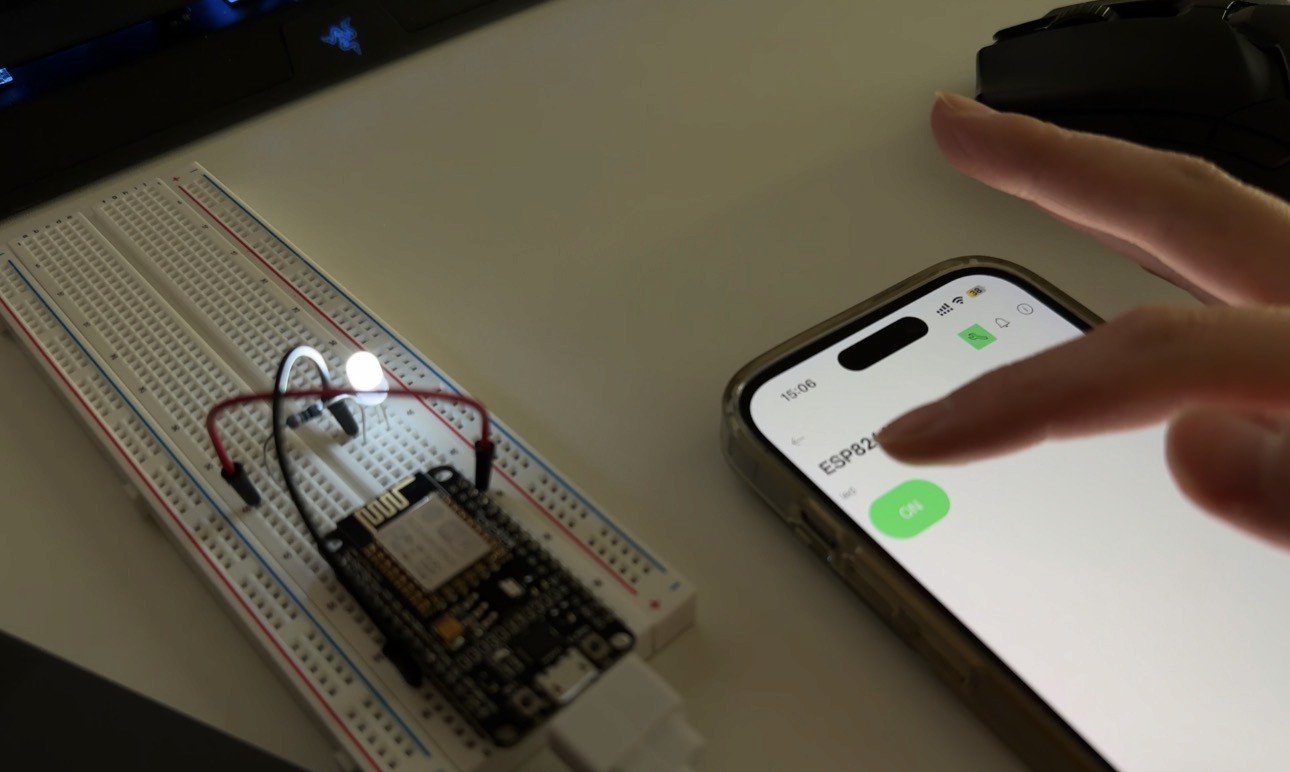
ESP 8266

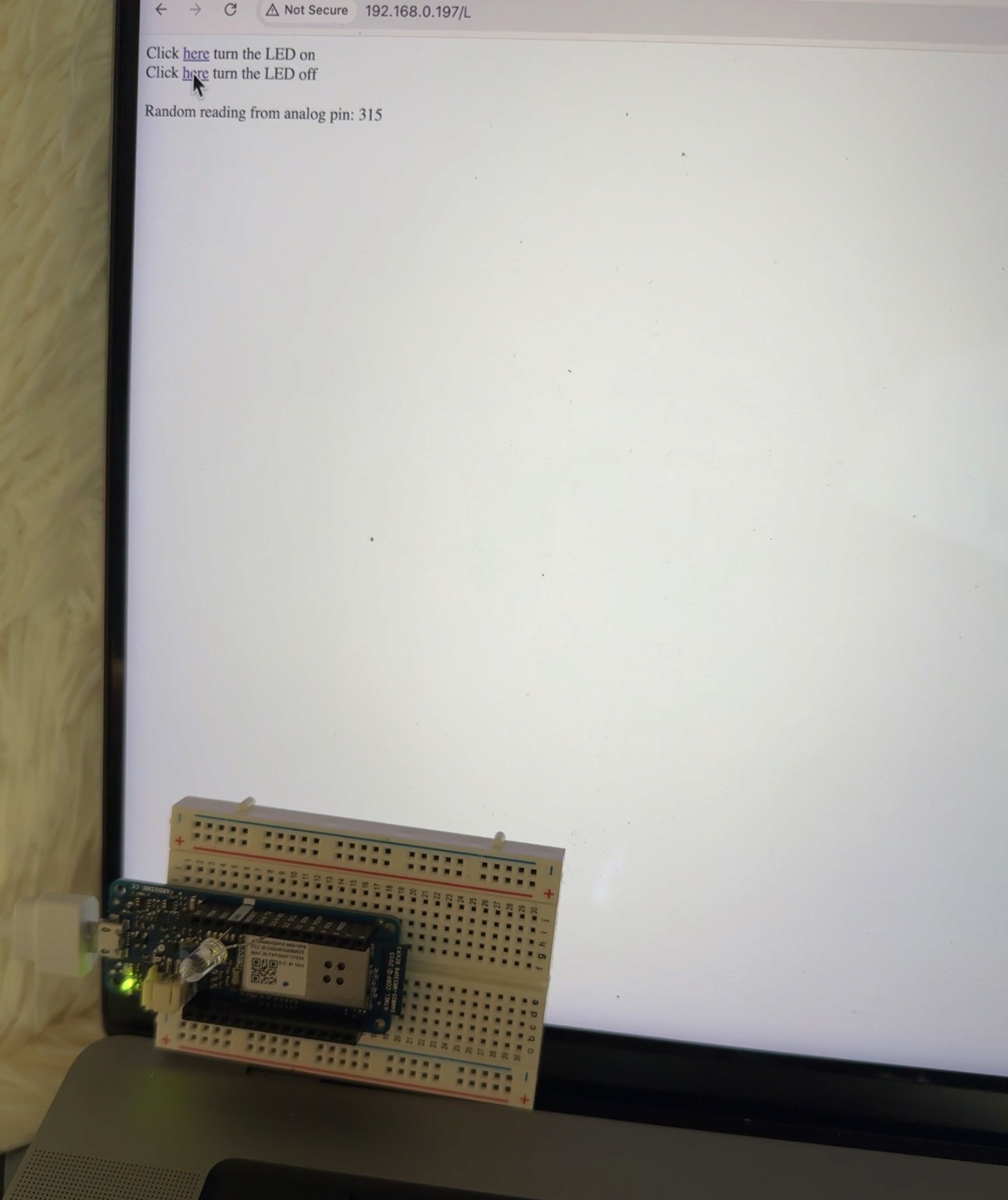
mkR100

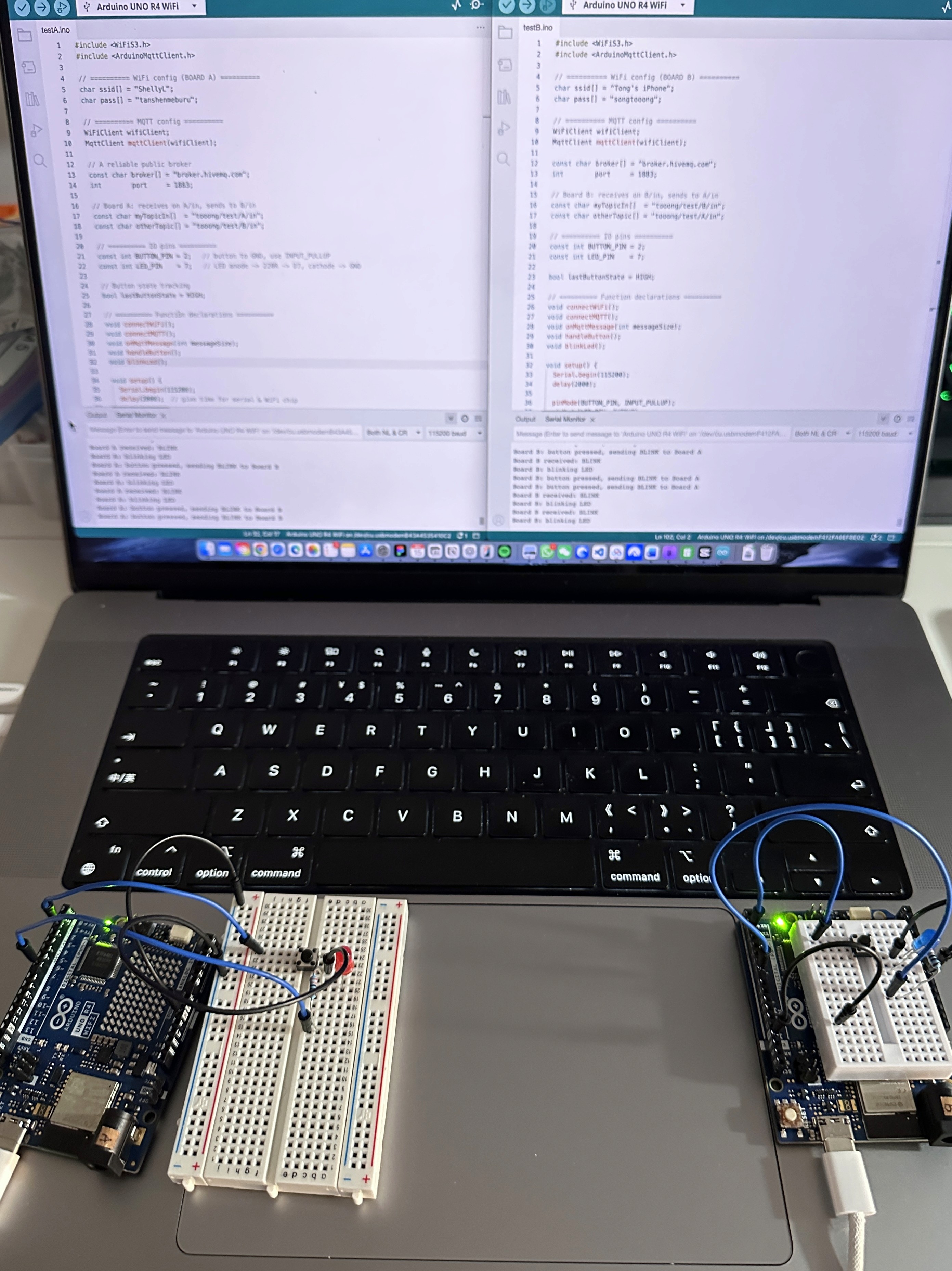
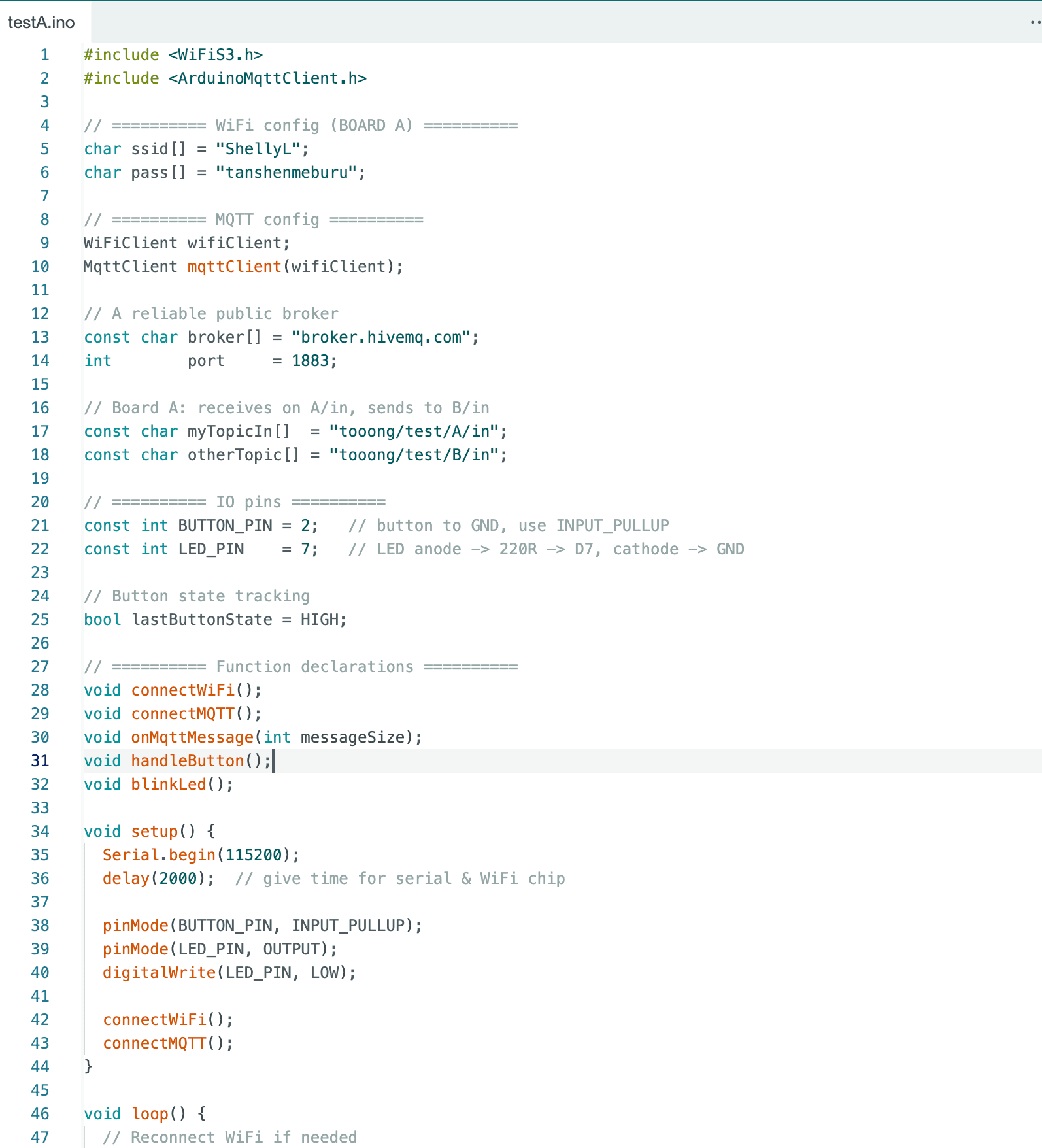
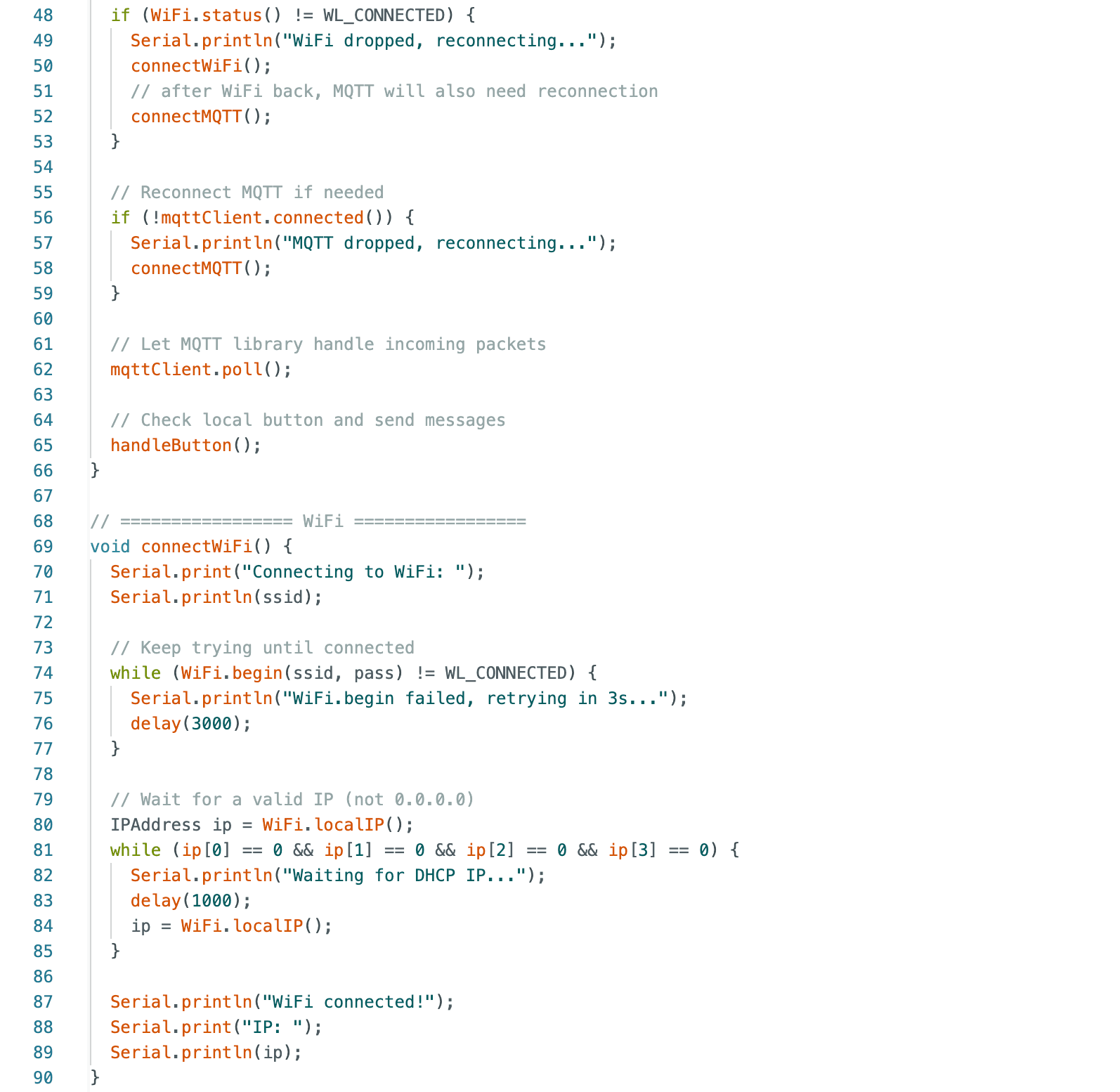
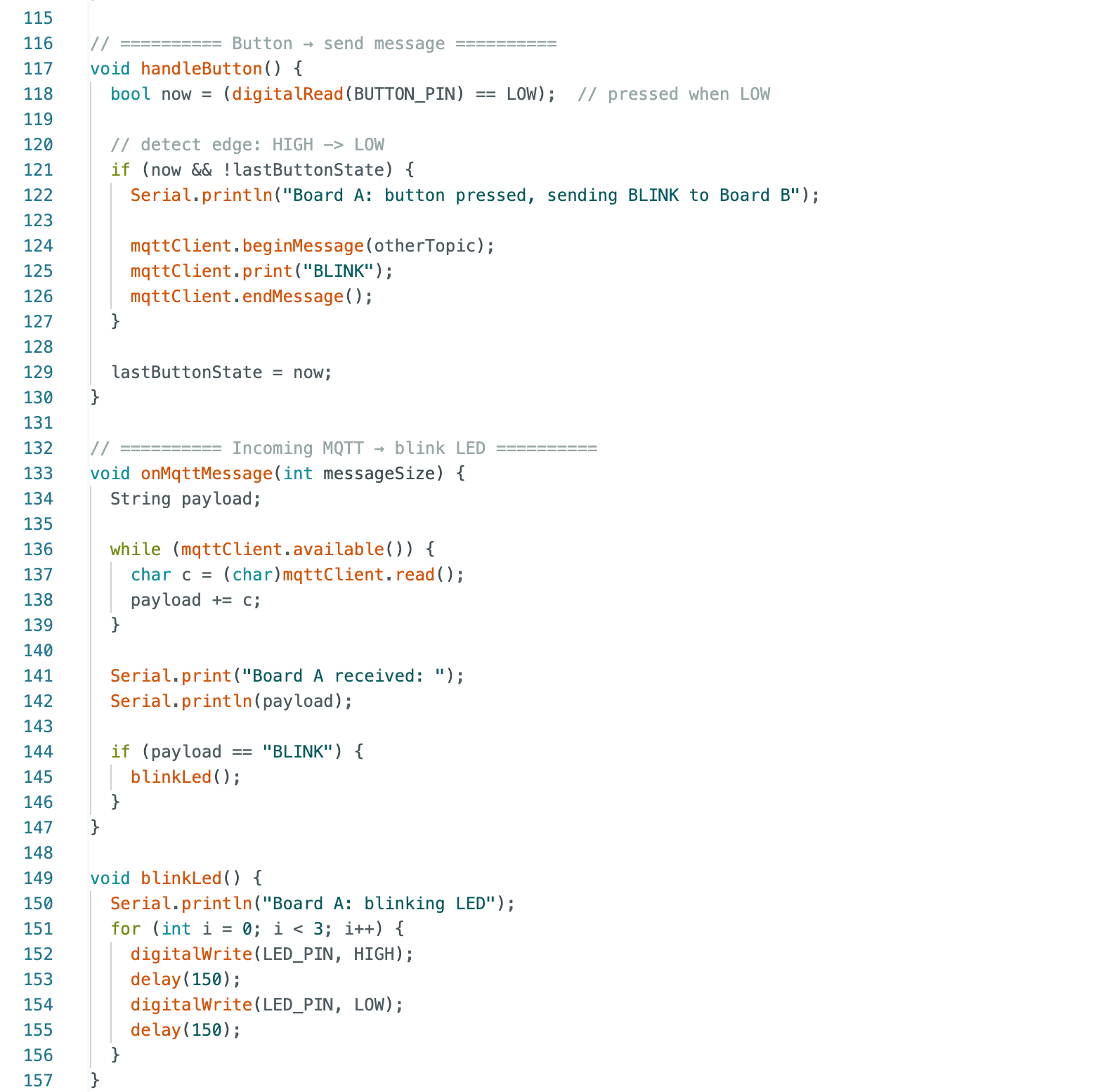
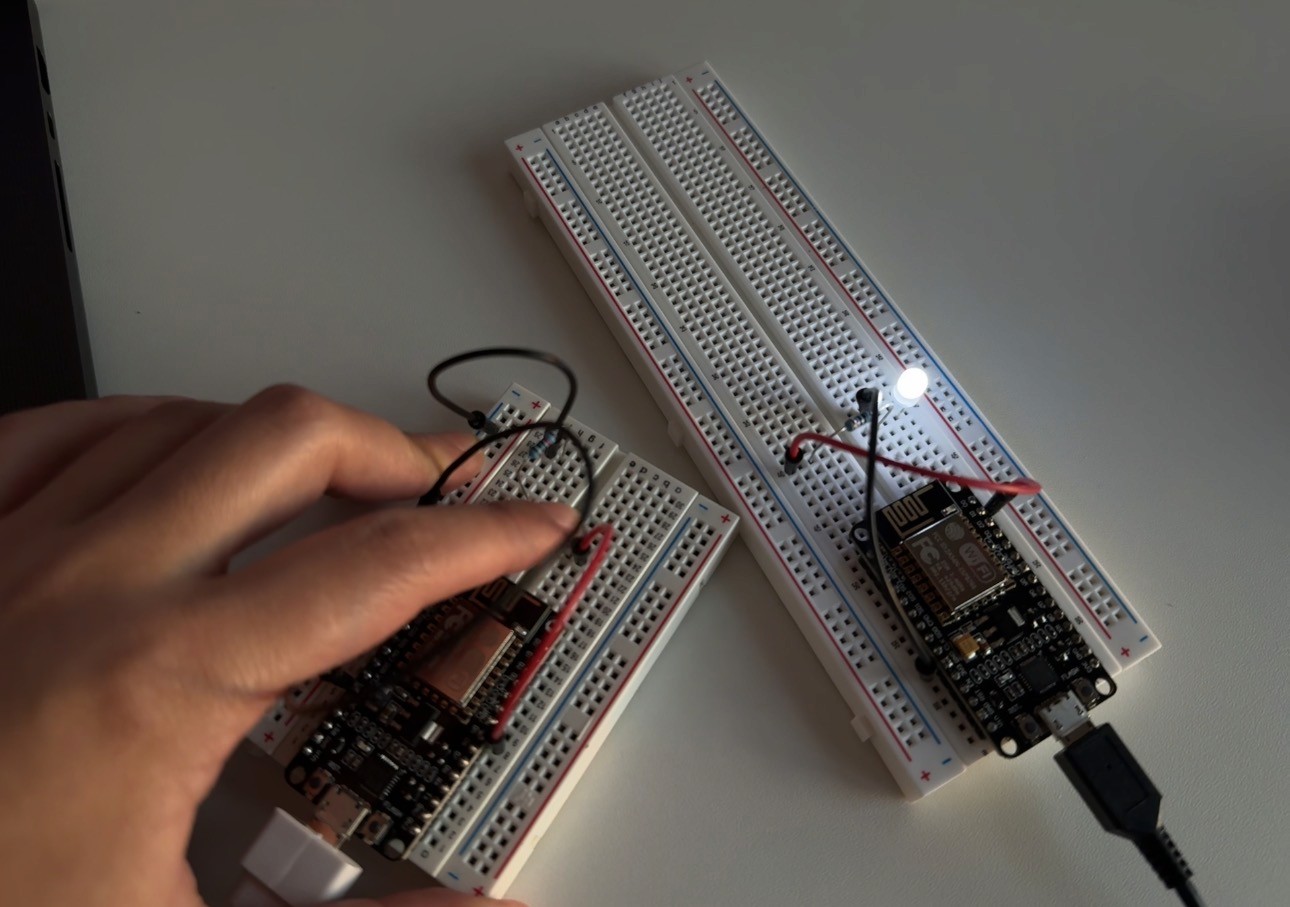
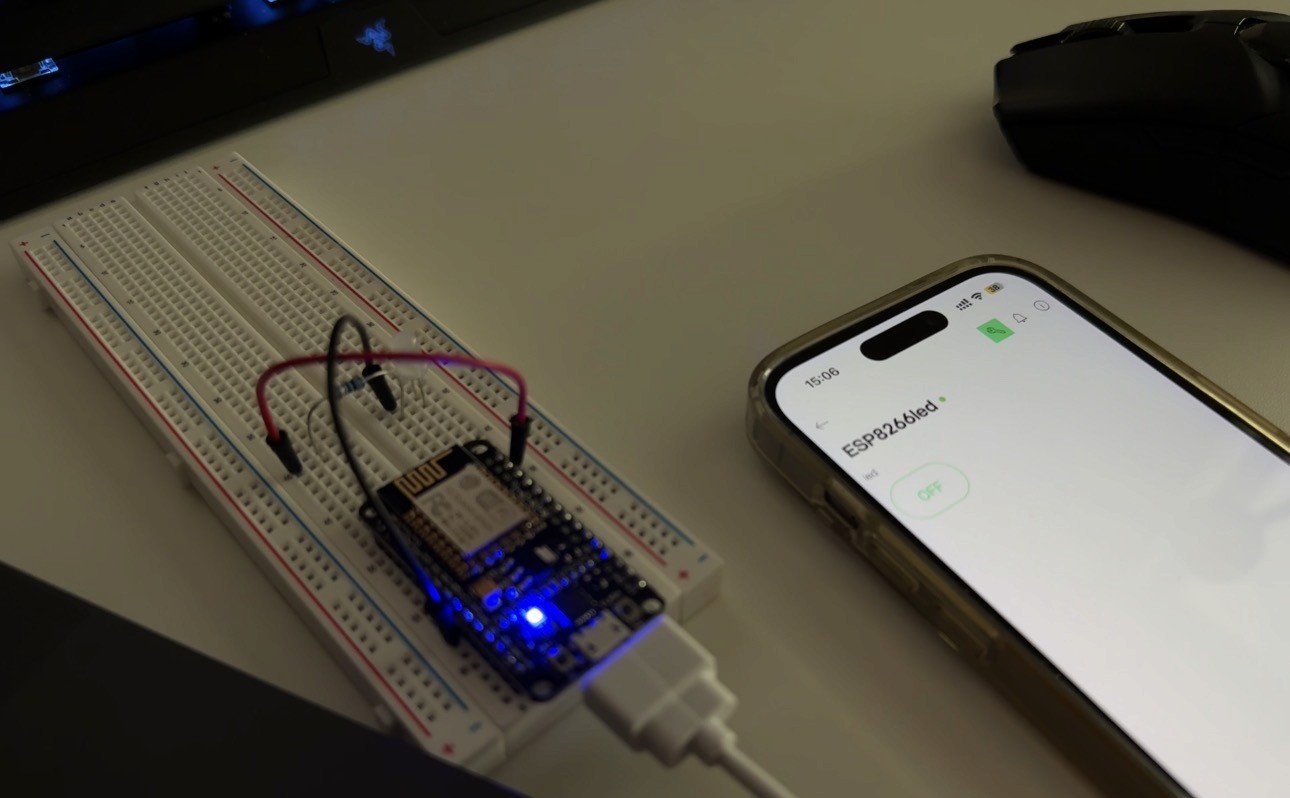
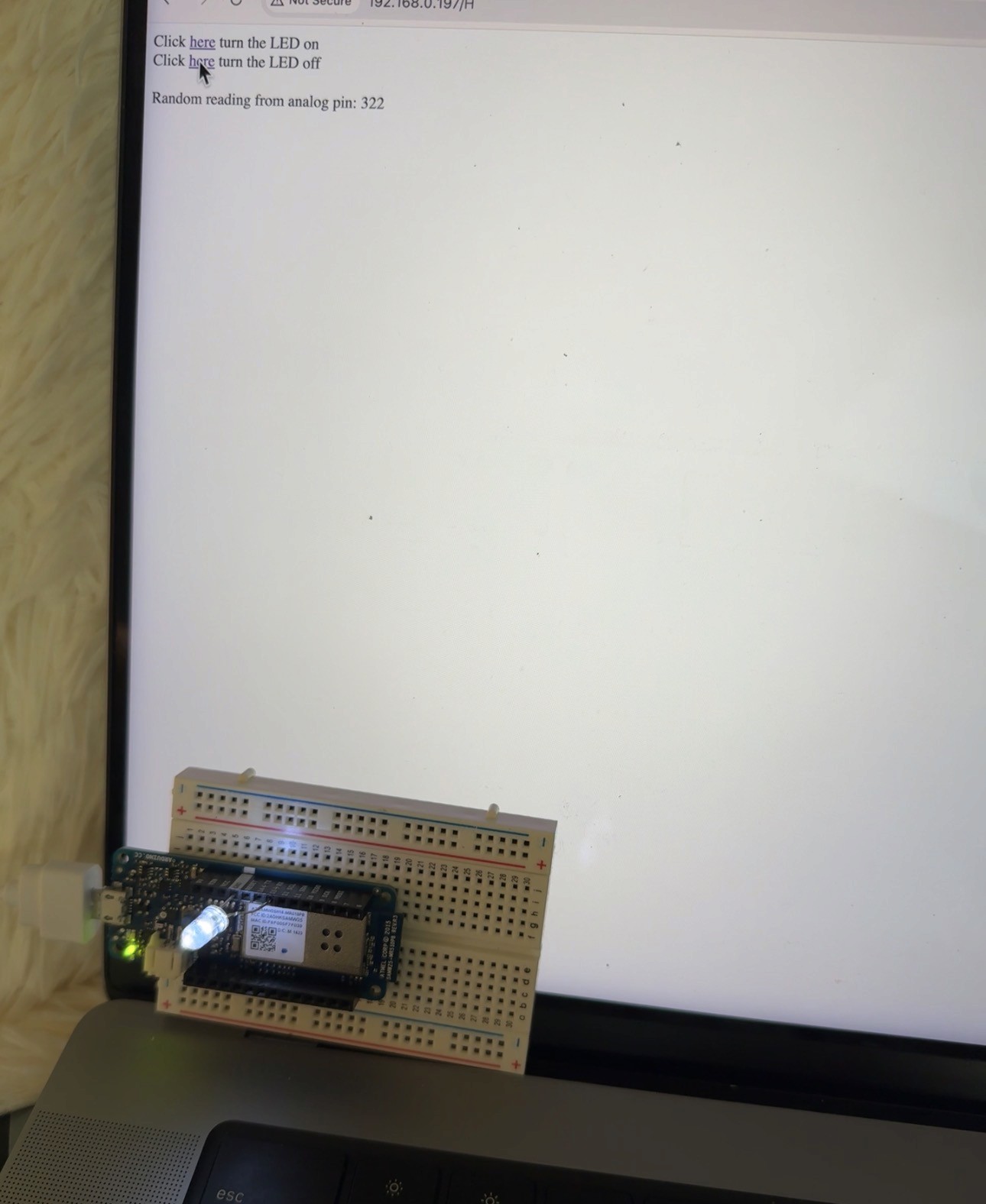
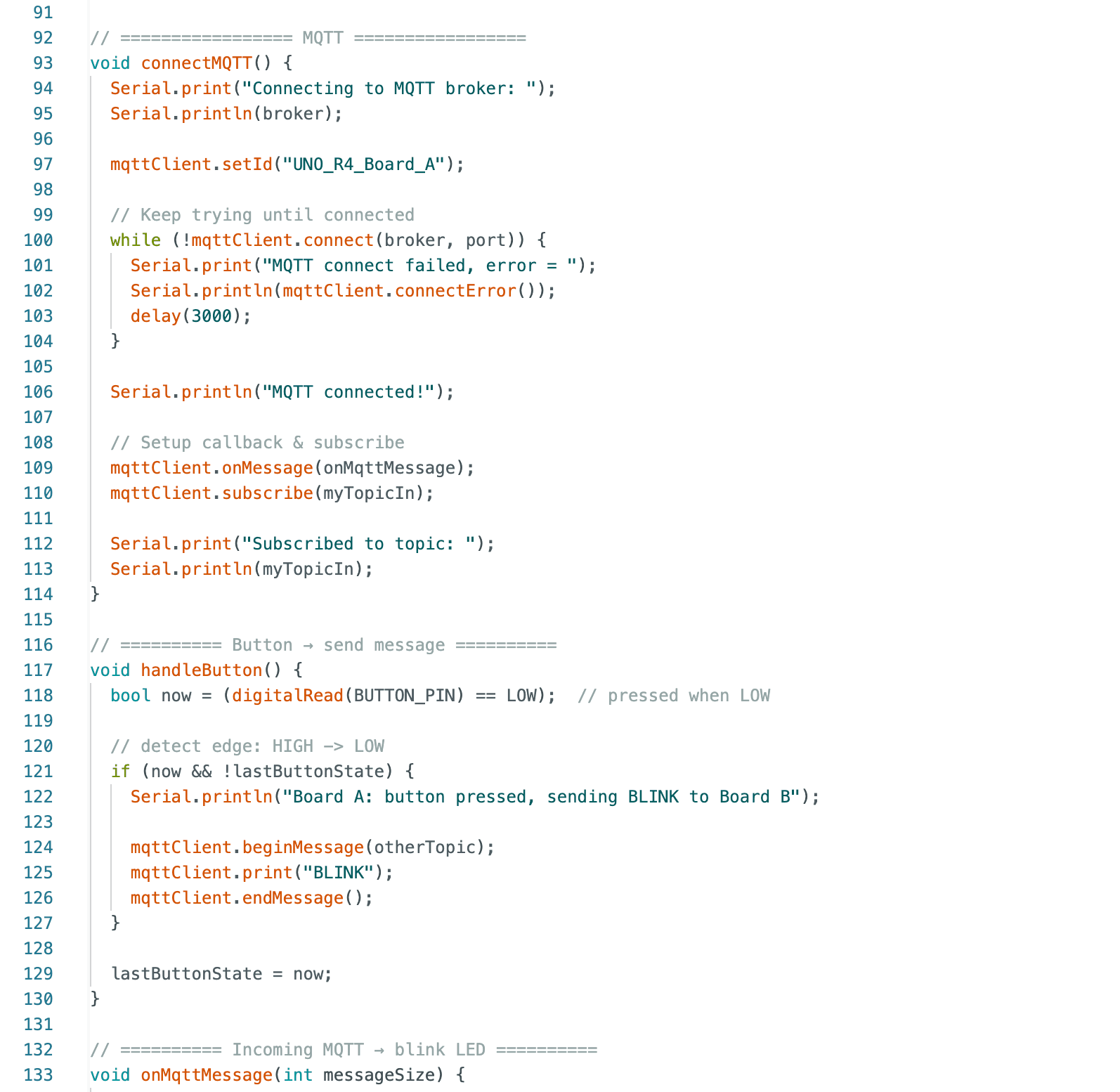
We iterated across multiple microcontroller platforms—including ESP8266, MKR1000, and UNO R4 with embedded ESP32—to explore different connectivity and power configurations for simulating long-distance interaction between two devices on separate Wi-Fi networks. Through this process, we tested network stability, pin availability, power delivery, and cable management within the enclosure, ultimately selecting the UNO R4 for its 5V support, increased pin capacity, and stronger hardware integration.

technology

components

User Tests
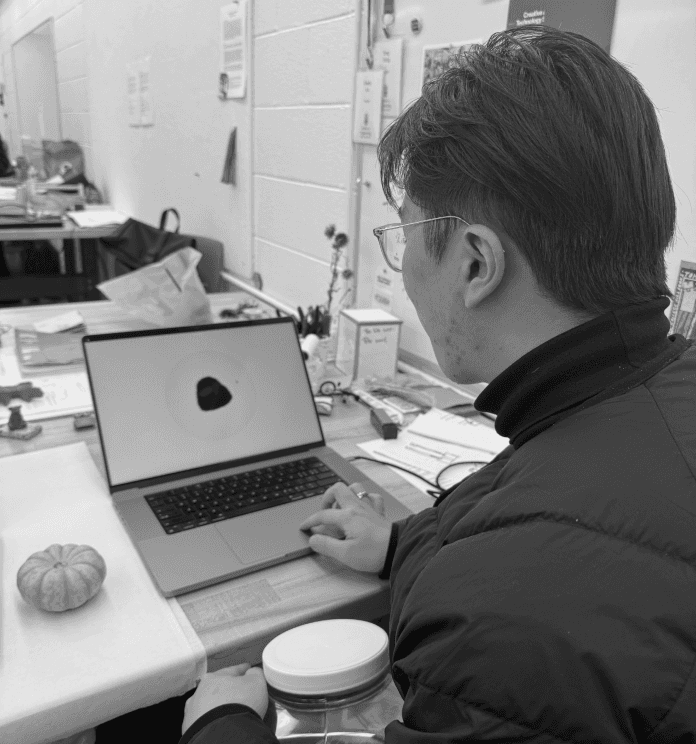
To evaluate whether ferrofluid motion could meaningfully communicate closeness, we first created a web-based digital ferrofluid simulation that mimicked the real movement, allowing users to send gestures such as pats and observe the responsive motion.

We then tested the more developed product with users directly to see how its form, lighting, and ferrofluid behavior worked together in practice. These tests helped us understand how people interpreted the gestures and responses, and whether the refined experience felt intuitive, comforting, and emotionally resonant.

As part of user testing, we explored how different light patterns could be mapped to specific touch gestures and emotional tones. By testing variations in rhythm, color, and duration across gestures such as tap, double tap, and long press, we examined how light could work together with ferrofluid motion to communicate feelings like quiet presence, gentle acknowledgment, playfulness, and comfort.

interaction test

Playful emphasis

Deep comfort, emotional grounding

Gentle acknowledgment

Calm baseline, quiet presence

Feeling Communicated

Shakes once

Still, no movement

Shakes twice in a row

Moves for the duration of the press

Ferrofluid Response

Light Pattern

Slow continuous rainbow flow

Slow purple–teal breathing wave

Quick rose–gold burst → warm fade

Fast magenta sweep bright tangerine trail

Long Press

Double Tap

Tap Once

Standby

Gesture

design Outcome


Design Concept:

This design captures the idea of two hearts living in different places, independent and not identical, yet emotionally connected and intentionally aligned, and when brought together, the two parts form a complete heart.

Logo Design

date

OMI

12/01/2025

Omi 

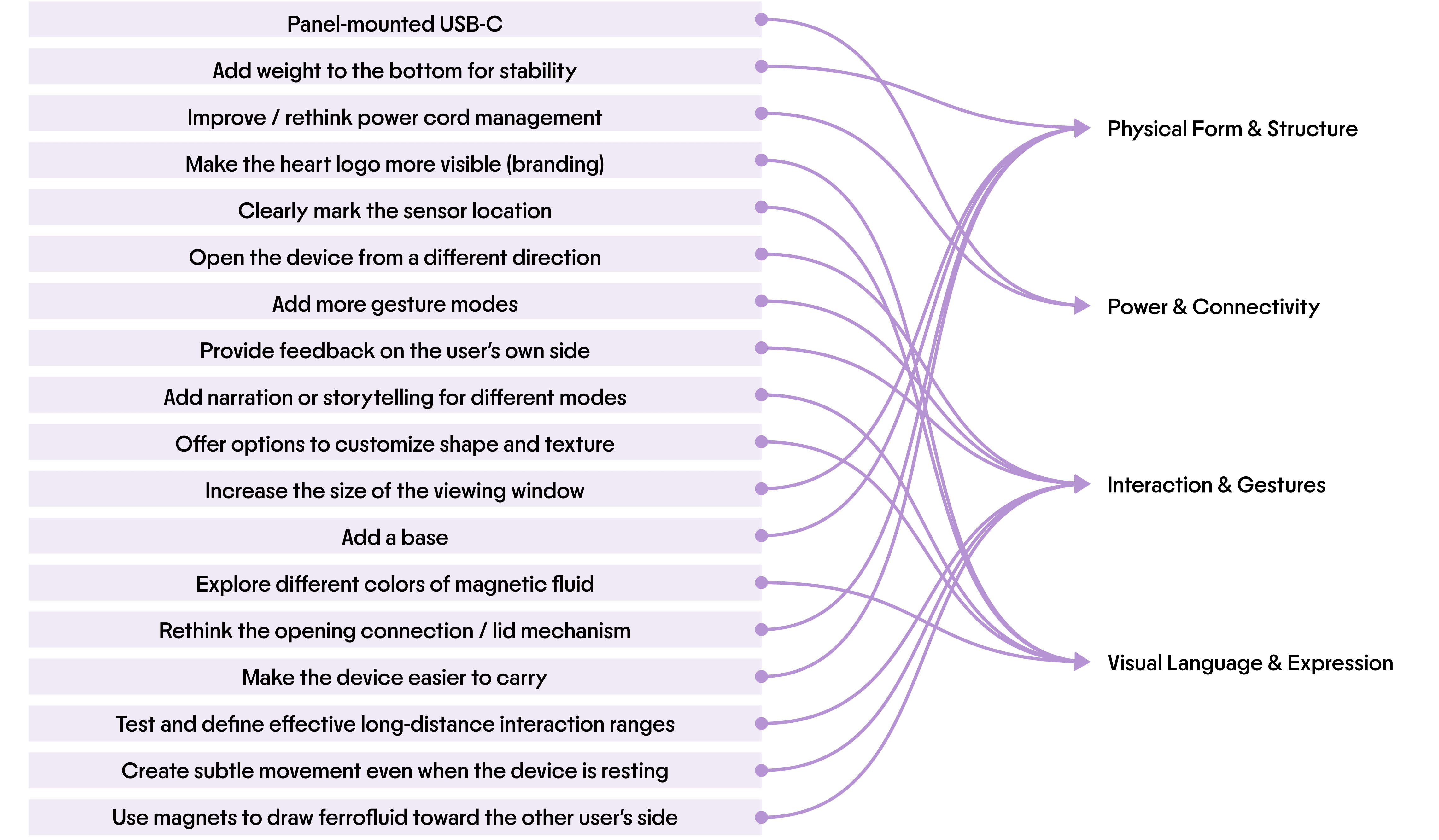
Future directions

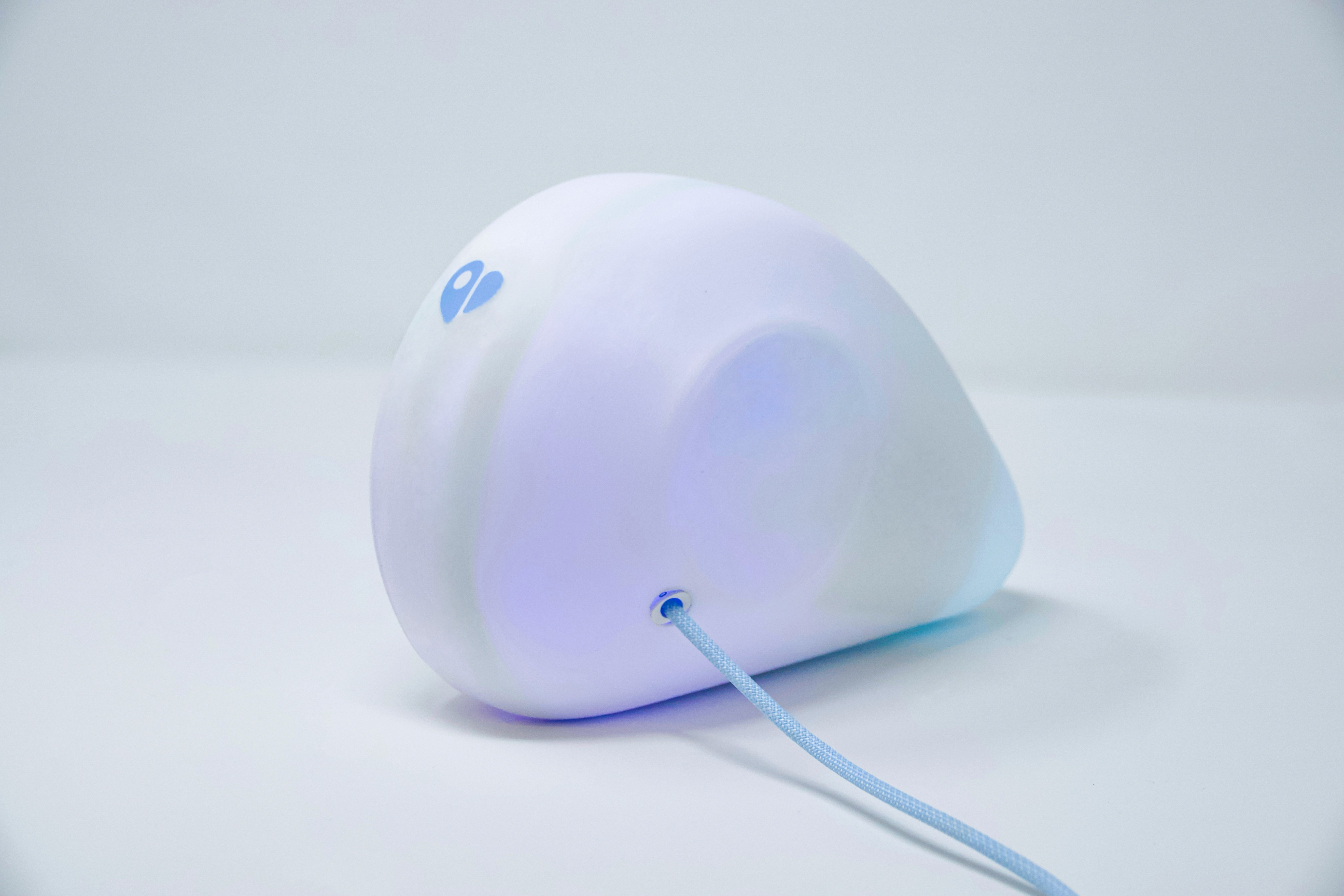
Panel-mounted USB-C

Add weight to the bottom for stability

Improve / rethink power cord management

Make the heart logo more visible (branding)

Clearly mark the sensor location

Open the device from a different direction

Add more gesture modes

Provide feedback on the user’s own side

Add narration or storytelling for different modes

Offer options to customize shape and texture

Increase the size of the viewing window

Add a base

Explore different colors of magnetic fluid

Rethink the opening connection / lid mechanism

Make the device easier to carry

Test and define effective long-distance interaction ranges

Create subtle movement even when the device is resting

Use magnets to draw ferrofluid toward the other user’s side

Physical Form & Structure

Power & Connectivity

Interaction & Gestures

Visual Language & Expression

BBAACCKK  TTOO  WWOORRKKSS